
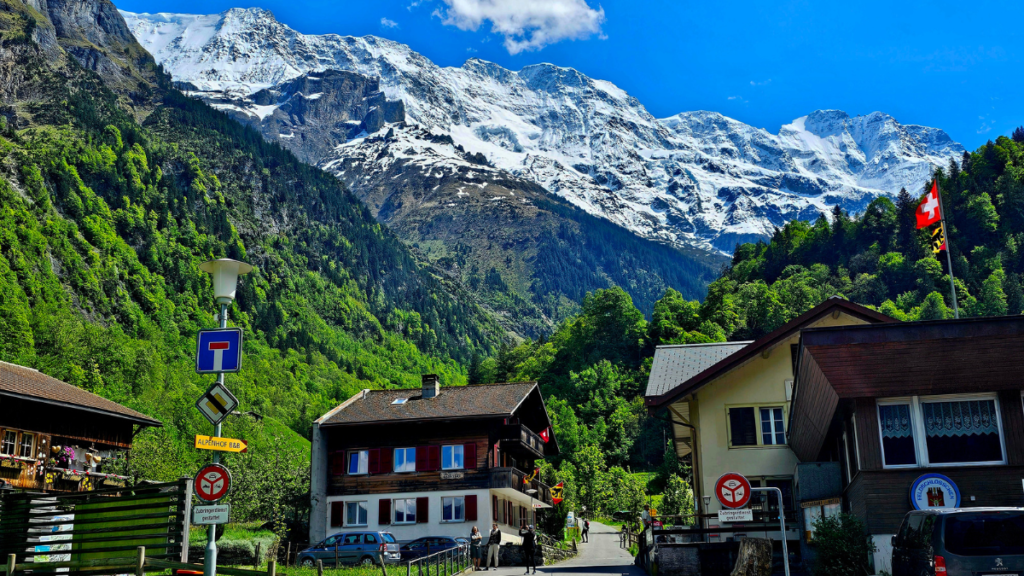
“Switzerland was a complete disappointment.”
Our guide Turi hears this surprisingly often.
People save up for years, fly all the way to Switzerland, and then go home frustrated. But when you ask them why, the reasons are usually the same: sudden alpine weather, eye-watering prices, exhausting train schedules, and cities that did not live up to the Instagram image.
They had plenty of online information — but not enough real local context.
It does not have to be that way.
Here are the 5 real reasons people say Switzerland travel is boring — and exactly how you can avoid all of them.
This guide also includes a realistic Switzerland itinerary 3 days cost breakdown, plus an honest comparison between independent travel and booking a private tour Switzerland experience.
Table of Contents
Why Switzerland Travel Can Feel Disappointing
Here are the most common reasons travellers come home feeling let down — and what is really behind each one.
1. The Weather Can Completely Change Your Trip
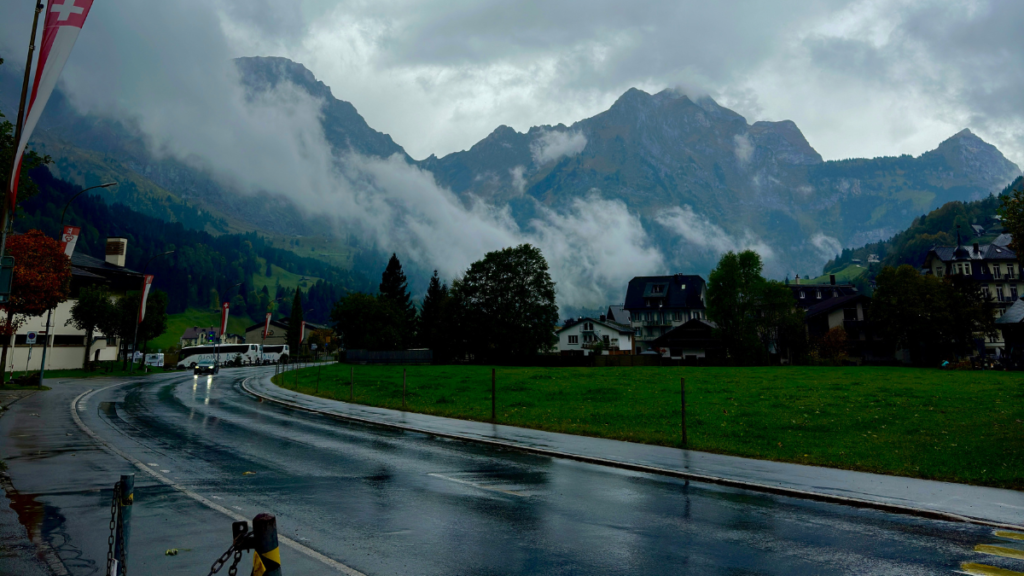
Switzerland receives around 1,000–1,100 mm of rain per year. That may not sound extreme compared with cities like Seattle or London, but the real problem is not the amount of rain.
The problem is mountain weather.
A morning can start with blue skies and sunshine. By afternoon, clouds may completely cover the mountains. You can spend two hours travelling to Jungfraujoch and still end up staring into white fog.
That happens more often than people expect.
In Zurich, June is one of the wettest months, with around 116 mm of rainfall and roughly 14 rainy days. Even July and August — often considered the best season for Switzerland — still have regular rain.
So if you think, “It’s summer, so the weather will be fine,” you may be disappointed.
This is one of the biggest Switzerland weather problems for first-time visitors. If you want to understand how the weather shifts through the year, read our month-by-month guide to the best time to visit Switzerland.
2. Switzerland Is More Expensive Than Many Travellers Expect

As of May 2026, 1 CHF is approximately 1.11 USD.
For travellers coming from cities like New York, London, Sydney, or Singapore, individual prices in Switzerland may not feel shocking at first.
A latte for 6.7–7 CHF (approx. $7–8) or a restaurant lunch for 25–35 CHF (approx. $28–39) is expensive, but not dramatically different from other major global cities.
The real difference is how quickly the costs add up.
In Switzerland, there are often fewer budget alternatives than travellers expect. Restaurants are expensive, convenience options are limited compared with many countries, and on Sundays many supermarkets and shops are closed outside major stations and tourist areas.
That means small expenses quietly accumulate throughout the trip.
- A coffee here.
- A train station snack there.
- A simple mountain lunch.
- A last-minute drink because nearby stores are already closed.
By the end of the day, many travellers realise they spent far more than expected without ever doing anything particularly luxurious.
So, is Switzerland too expensive?
For some travellers, yes.
Not because every single purchase feels outrageous, but because it can be surprisingly difficult to travel cheaply without local knowledge.
That is one reason many visitors appreciate getting advice from someone who actually lives here — knowing where to eat, when to buy supplies, and which areas still have practical budget options can make a noticeable difference over several days.
3. Travel Times Are Longer Than They Look on the Map
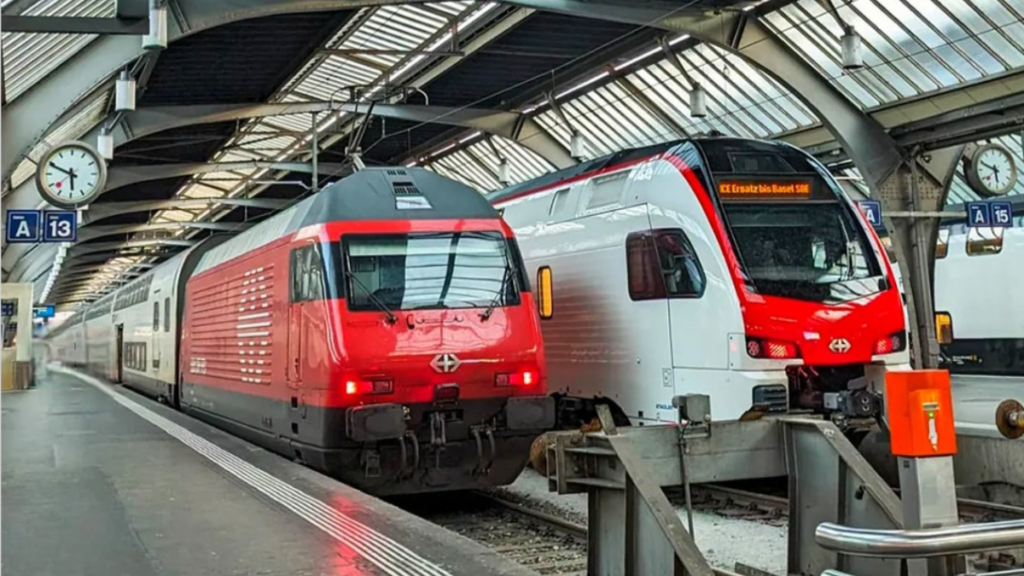
Switzerland is a small country.But it is also a mountain country.
That means travel distances can be misleading. Zurich to Interlaken takes around 2 hours by train. Interlaken to Zermatt takes roughly 2.5 hours. If you travel there and back in one day, most of your day disappears into transportation.
Then come the transfers.
You check the SBB app. You confirm the platform number. You carry luggage up and down stairs. You rush to catch a connection with only a few minutes to spare.
For experienced travellers, this may be manageable.
For first-time visitors, it can be exhausting.
This is another reason some people feel their Switzerland travel was disappointing.
4. Swiss Cities Alone Can Feel Too Quiet
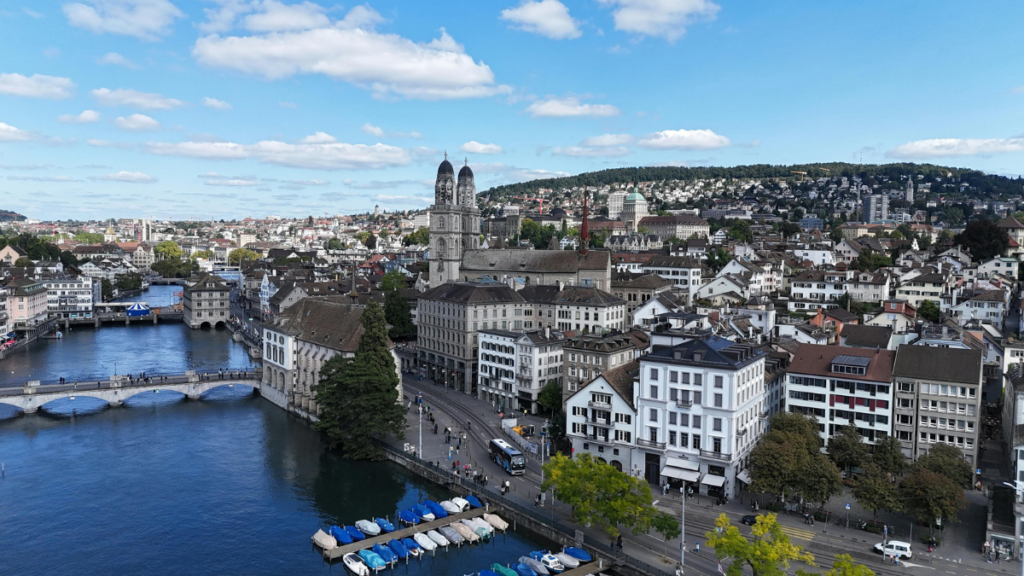
Zurich, Geneva, and Bern are beautiful cities.
But they are not cities like London, Paris, or Tokyo, where you can spend days simply wandering around.
Zurich’s Old Town can easily be explored in half a day. Bern is charming, but calm. Geneva is elegant, but not always emotionally memorable for tourists.
The real beauty of Switzerland is not only in the cities.
It is in the mountains, lakes, valleys, cable cars, and alpine villages.
If you spend your entire trip in city hotels, you may eventually think:
“Is this really it?”
That is when Switzerland travel boring becomes a real feeling for some travellers.
There is another thing many visitors do not realise.
In Switzerland, most shops close on Sundays. Outside of major stations and tourist areas, supermarkets often close too.
If your Sunday plan is “shopping around the city,” you may suddenly find yourself with very little to do.
5. Online Info Doesn’t Tell the Whole Story
There is a huge amount of English travel information about Switzerland online.
But much of it is surface-level.
Many blogs and even AI-generated articles only provide generic information. They may tell you where to go, but not how to make the right decision on the actual day.
For example:
- Which mountain railways are fully covered by a travel pass?
- Which ones are only partially discounted?
- Is Zurich cloudy while Lucerne is sunny?
- Should you still go to Jungfraujoch if the webcam looks bad?
- Which route makes the most sense based on today’s weather?
These are things that are difficult to understand unless you actually live here.
As a result, travellers often miss discounts, buy unnecessary tickets, or spend their best day in the wrong weather area.
The issue is not a lack of information.
The issue is a lack of local judgement.
And that can quietly reduce the quality of an otherwise beautiful trip.
How to Avoid All 5 Problems
With the right preparation, every one of these problems is avoidable. Here are five practical solutions.
1. Prepare a Rainy-Day Plan Before You Arrive
Do not create only a sunny-day itinerary.
That is the biggest mistake visitors make.
Switzerland has many excellent things to do in Switzerland when it rains.
The Swiss Museum of Transport in Lucerne can easily fill an entire day. The Gruyères cheese factory is fun and easy to enjoy. The Lindt Home of Chocolate in Zurich is another great indoor option. Bern’s UNESCO-listed Old Town also works surprisingly well on rainy days.
The key is simple:
Prepare two versions of your trip.
- One for good weather.
- One for rain.
As a guide who has lived in Switzerland for 15 years, Turi can confidently say this:
The best travel decisions are often made in the morning.
Switzerland’s weather changes dramatically by region. It may be cloudy in the Bernese Oberland while Central Switzerland is sunny. Zurich may be rainy while Lucerne is clear.
Choosing the right area on the day itself can completely change your experience.
2. Save Money on Simple Meals and Spend on the Special Ones
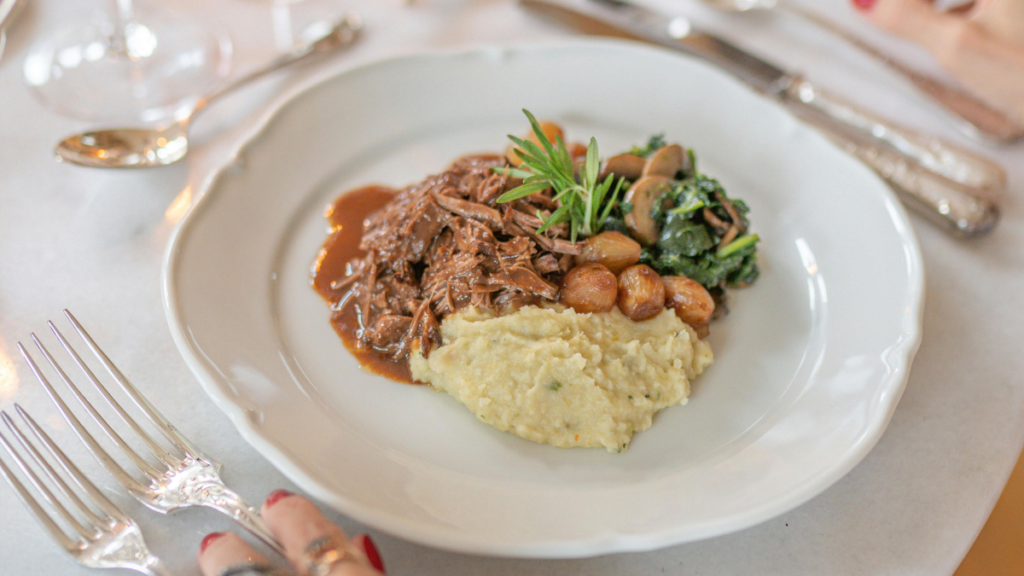
If you eat every meal at restaurants, Switzerland becomes expensive very quickly.
A smarter approach is balance.
Eat breakfast at your hotel or a local bakery. Buy lunch from COOP or Migros — Switzerland’s two major supermarket chains. Then enjoy a proper restaurant dinner in the evening.
COOP and Migros often have clean eat-in spaces with salad bars, sandwiches, hot meals, fruit, and drinks for around 8–15 CHF (approx. $9–17).
It is not luxury dining.
But it is practical, clean, affordable, and usually good enough.
Then you can spend money where it matters most: fondue, lakeside restaurants, mountain dining, or a memorable dinner with a view.
One of the best Switzerland travel tips is this:
Do not try to make every meal special.
Make one meal special.
3. Use a Travel Pass — or Travel by Private Car
Swiss public transport is excellent.
But excellent does not always mean stress-free.
Swiss Travel Pass Prices
| Duration | Price |
| 3 days | 254 CHF (approx. $282) |
| 4 days | 309 CHF (approx. $343) |
| 6 days | 399 CHF (approx. $443) |
| 8 days | 439 CHF (approx. $487) |
| 15 days | 499 CHF (approx. $554) |
Prices shown are approximate as of 2026 and may change. Exchange rate: 1 CHF ≈ 1.11 USD. Check official sources for the latest.
With a Swiss Travel Pass, you receive a QR-code ticket on your phone. You can use it for trains, buses, and many lake cruises without buying separate tickets each time.
The pass also offers discounts on many mountain railways and cable cars, plus free admission to numerous museums.
But the pass does not remove every challenge.
You still need to understand timetables. You still need to make transfers. You still need to react when weather changes.
For first-time visitors, that can still feel stressful.
Swiss Half Fare Card
Another option is the Swiss Half Fare Card.
It costs 150 CHF (approx. $167) and stays valid for one month.
Instead of unlimited travel, it gives you roughly 50% discounts on many trains, buses, boats, and mountain transport.
For shorter trips with fewer travel days, this can sometimes be cheaper than a Swiss Travel Pass.
Private Car Tours
A private car tour changes the experience completely.
- You do not need to check train schedules.
- You do not need to carry luggage through stations.
- You do not need to panic about missing a connection.
- And if the weather changes, your route can change too.
That flexibility is one of the biggest advantages of travelling by car.
4. Stay in the Mountains, Not Only in Cities
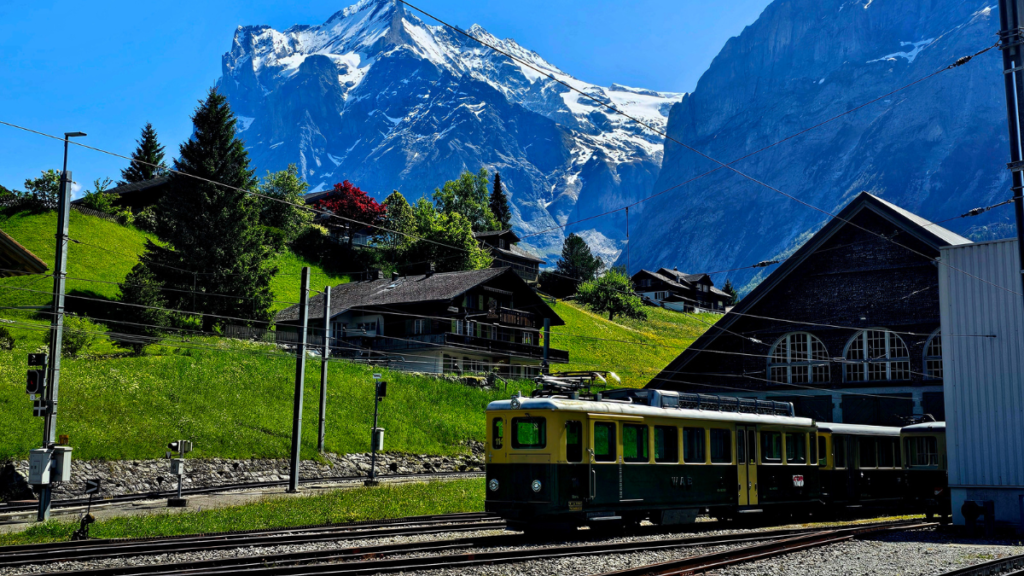
Three nights in Zurich may be easy.
But spending two nights in places like Interlaken, Grindelwald, or Zermatt often creates a much stronger Switzerland experience.
- You wake up and see the Alps outside your window.
- You finish breakfast and immediately start hiking.
- You watch the mountains turn golden during sunset.
That feeling is difficult to experience from a city hotel.
If you are wondering, “Is Switzerland worth visiting?” the answer often depends on where you stay.
Stay only in cities, and Switzerland may feel underwhelming.
Stay near the mountains, and the country becomes unforgettable.
5. Use a Local Guide When the Details Matter
If lack of local knowledge is the problem, travelling with someone who has that knowledge is the simplest solution.
A local guide can help with:
- weather decisions
- route planning
- restaurant recommendations
- ticket questions
- hidden viewpoints
- efficient travel timing
That does not mean you need a guide every day.
For many travellers, even one guided day makes a huge difference.
Use that day for your longest route, most weather-sensitive area, or most complicated mountain region.
Then enjoy the rest of your trip independently.
Switzerland Itinerary 3 Days: What Does It Really Cost?
Flights are not included below.
These are realistic local travel costs for one adult traveller.
Standard Train Fares (One Way, 2nd Class)
| Route | Price |
| Zurich → Interlaken | 77 CHF (approx. $85) |
| Interlaken → Zermatt | approx. 68 CHF (approx. $75) |
| Zurich → Zermatt | approx. 116 CHF (approx. $129) |
Prices shown are approximate as of 2026 and may change. Exchange rate: 1 CHF ≈ 1.11 USD. Check official sources for the latest.
Mountain Railway Tickets
| Route | Price |
| Jungfraujoch return ticket from Interlaken (peak season) | 261 CHF (approx. $290) |
| Gornergrat return ticket from Zermatt | 132 CHF (approx. $147) |
Prices shown are approximate as of 2026 and may change. Exchange rate: 1 CHF ≈ 1.11 USD. Check official sources for the latest.
3-Night Cost Comparison (Excluding Flights)
| Cost Item | Independent Travel (No Pass) | Independent Travel (Swiss Travel Pass) | Private Tour with Turi (6 guests, 1 guided day) |
| Hotels (3 nights, 3-star) | approx. 450–750 CHF ($500–833) | approx. 450–750 CHF ($500–833) | approx. 450–750 CHF ($500–833) |
| Intercity transport | approx. 260–325 CHF ($289–361) | included in pass | included for guided day |
| Mountain railways | approx. 402 CHF ($446) | discounted | purchased separately |
| Meals (3 days) | approx. 150–250 CHF ($167–278) | approx. 150–250 CHF ($167–278) | approx. 150–250 CHF ($167–278) |
| Guide fee | none | none | 750 CHF ÷ 6 guests = approx. 125 CHF per person ($150) |
| Estimated total | approx. $1,500–2,400 | approx. $1,500–2,200 | approx. $1,620–2,120 plus mountain railway tickets |
Prices shown are approximate as of 2026 and may change. Exchange rate: 1 CHF ≈ 1.11 USD. Check official sources for the latest.
The private tour example above assumes one guided day and the remaining days as independent travel.
The Turi private tour includes:
- private vehicle transport
- Japanese-friendly support
- hotel pick-up
- light snacks
- route adjustments based on weather
- photography
- drone filming in permitted areas
Hotels, meals, and mountain railway tickets are not included.
Not sure where to start? Let Turi help you plan your ideal Switzerland trip.
Is a 750 CHF Private Tour Really Expensive?
At first glance, 750 CHF (approx. $900) for one day may sound expensive.
But it is important to look at what that actually includes.
Most importantly:
It is not priced per person.
It is priced per vehicle for up to 6 guests.
Private Tour Switzerland Price Comparison
| Service | Price | Per |
| GetYourGuide (Jungfraujoch day tour from Zurich) | approx. $330–400 | per person |
| Viator (Swiss Alps private tour) | approx. $450–900 | per person |
| Turi | 750 CHF (approx. $900) | per vehicle (up to 6 guests) |
Prices shown are approximate as of 2026 and may change. Exchange rate: 1 CHF ≈ 1.11 USD. Check official sources for the latest.
Before publishing, please verify the latest GetYourGuide and Viator pricing because listings fluctuate seasonally.
Many private tours charge per traveller.
If two people join, the price doubles.
If four people join, the cost becomes four times higher.
Turi’s pricing stays the same per vehicle, so the price per person decreases as your group grows.
| Group Size | Cost Per Person |
| 2 guests | 375 CHF (approx. $449) |
| 4 guests | approx. 188 CHF (approx. $224) |
| 6 guests | 125 CHF (approx. $150) |
Prices shown are approximate as of 2026 and may change. Exchange rate: 1 CHF ≈ 1.11 USD. Check official sources for the latest.
For a group of 6, the cost per person becomes surprisingly reasonable.
The Hidden Cost of Doing the Same Day Alone
Let’s compare one of Switzerland’s most famous routes:
Grindelwald, Lauterbrunnen, and Jungfraujoch.
This route includes the Eiger North Face, the Lauterbrunnen Valley waterfalls, and Europe’s highest railway station at Jungfraujoch.
Same Route, Completely Different Experience
| Situation | Independent Travel | Turi Private Tour |
| Morning departure | You travel to Zurich station yourself and find the correct platform. | Turi picks you up directly from your hotel. |
| Zurich → Grindelwald | Around 2h15 by train with transfers. | Direct travel by private car. |
| Scenic stops | Limited flexibility. | Flexible photo stops along the way. |
| Lauterbrunnen access | Train transfers and local buses required. | Direct access by car. |
| Jungfraujoch tickets | You purchase and manage tickets yourself. | Turi helps with ticket support and boarding guidance. |
| Bad weather | You may still go despite poor visibility. | Route changes are possible depending on weather. |
| Lunch | You search on your own. | Local restaurant suggestions available. |
| Photography | Mostly selfies or asking strangers. | Group photography included. |
| Drone filming | Difficult for most travellers. | Included in permitted areas. |
| End of day | Return to station and hotel independently. | Direct hotel drop-off. |
Example Cost Comparison for One Day
| Item | Independent Travel | Turi Tour (6 guests) |
| Transport | approx. 160–180 CHF ($178–200) | included |
| Jungfraujoch | 261 CHF (approx. $290) | same |
| Lunch | approx. 25–35 CHF ($28–39) | similar |
| Guide fee | none | approx. 125 CHF per person ($150) |
| Estimated total | approx. $495–528 | approx. $467–478 |
Prices shown are approximate as of 2026 and may change. Exchange rate: 1 CHF ≈ 1.11 USD. Check official sources for the latest.
For a group of 6, the total cost can actually become similar to independent travel — while also including flexibility, easier transport, photography, and local decision-making.
For 2 travellers, the cost is naturally higher.
But many visitors feel the reduced stress alone is worth it.
Drone Filming Creates Memories Most Travellers Cannot Capture
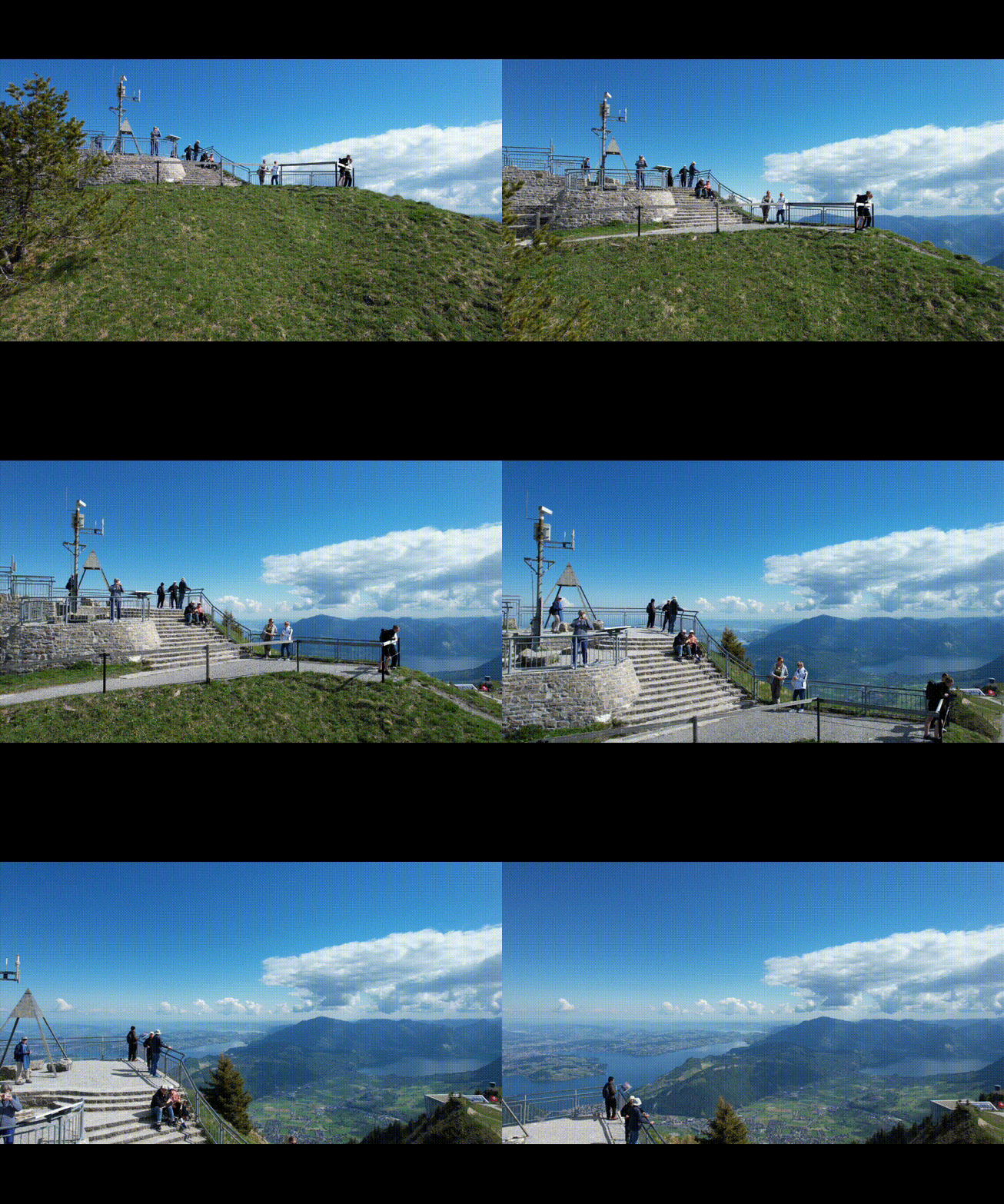
Switzerland is beautiful from the ground.
But from the air, it feels completely different.
You see alpine ridgelines, lakes, waterfalls, and snowy peaks from a perspective most visitors never experience.
Professional drone filming in Switzerland often costs around 150–400 USD per hour.
With Turi, drone filming in permitted areas is already included in the tour fee.
Switzerland also has strict drone regulations. Some areas prohibit flights completely.
Knowing where drone filming is legally and safely possible requires local experience.
Who Should Consider a Turi Private Tour?
First-Time Visitors to Switzerland
If you do not know where to begin, a local guide can make planning much easier.
Families and Older Travellers
Travelling by private car is often far more comfortable for families, children, and older relatives.
Travellers Worried About Weather
Weather flexibility is one of the biggest advantages of private transport.
Travellers Who Want Better Memories
Photography and drone filming can turn a great trip into a lifelong memory.
FAQ
Q1: Is Switzerland really boring?
No.
Switzerland itself is not boring — but poor planning can make it feel that way.
Weather, prices, and long travel times are the most common reasons travellers feel disappointed.
With the right preparation, Switzerland is one of the most spectacular destinations in the world.
Q2: What can I do in Switzerland on a rainy day?
The Swiss Museum of Transport in Lucerne, the Gruyères cheese factory, the Lindt Chocolate Museum in Zurich, and Bern’s UNESCO Old Town are all excellent rainy-day options.
Q3: How much does a 3-night trip to Switzerland cost?
Excluding flights, budget around $1,500–2,400 per person for independent travel, or around $1,600–2,100 per person with one private tour day for a group of 6, plus mountain railway tickets.
Q4: Do I need to speak German or French?
English is widely spoken in major tourist areas such as Zurich, Interlaken, Lucerne, and Zermatt.
Smaller stations and local restaurants may have limited English, but most travellers manage without major problems.
Q5: Should I travel independently or book a private tour?
If you enjoy planning routes and navigating foreign transport systems, independent travel works well.
If it is your first time in Switzerland, you are travelling with family, or you want to maximise limited travel days, at least one private tour day is worth considering.
Switzerland Is Not Boring — But It Rewards Good Planning
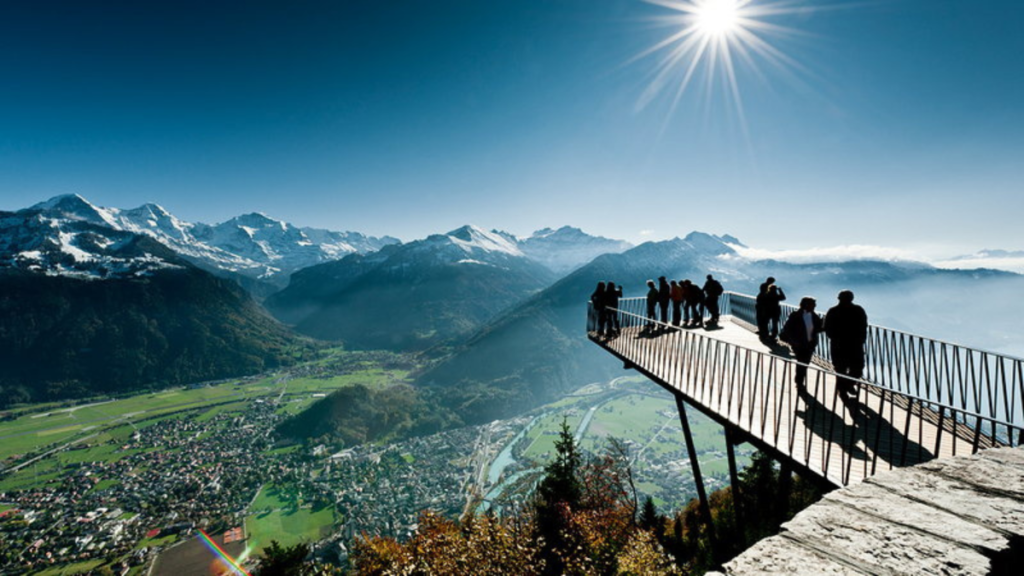
Switzerland travel boring?
Usually, no.
Switzerland travel disappointing?
Only when expectations and preparation do not match the reality of the country.
The mountains are incredible.
The lakes are stunning.
The villages are beautiful.
But Switzerland is not always easy.
The weather changes quickly. Prices are high. Train travel can be tiring. And online information does not always tell you what the best decision is today.
That is why local knowledge matters.
Ready to see Switzerland the right way? Get in touch — no commitment, just a conversation.
To see what a day with Turi looks like, what is included and the 750 CHF daily rate, visit our private tours in Switzerland page.