
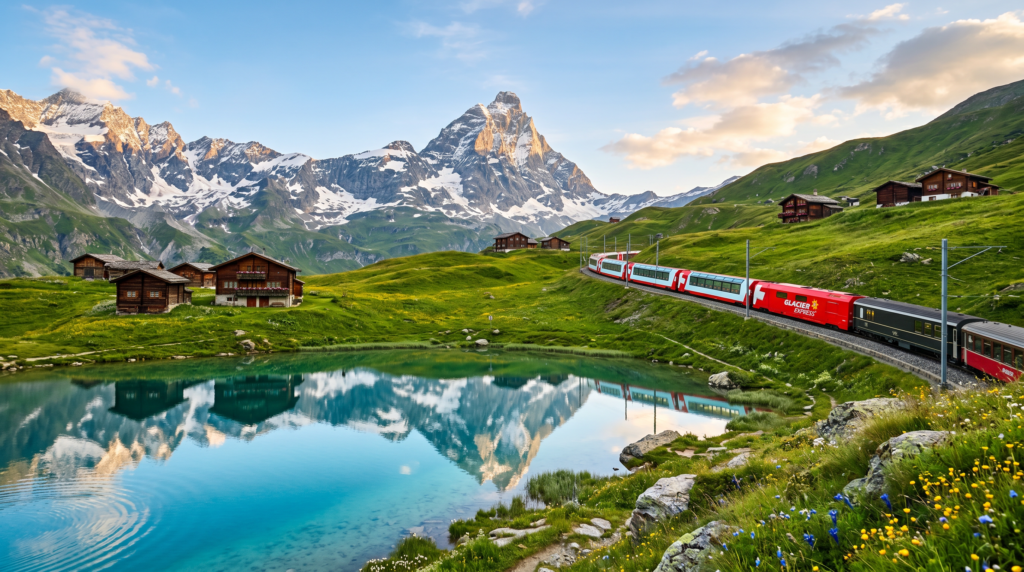
“How much will Switzerland actually cost me?”
Excluding flights, a 3-night trip to Switzerland costs about CHF 1,024–1,720 (~$1,140–$1,910) per person, and a 5-night trip at a standard level costs about $1,780.
Day to day, most visitors spend CHF 150–300 (~$167–$333) per person. The range depends on where you stay, how you get around, and how many mountain railways you ride.
This guide is written by TuriTravel, a private tour service in Switzerland. Turi, our English-speaking driver-guide, has lived in Switzerland for 15 years, and every number below is based on 2026 prices.
Table of Contents
Is Switzerland Too Expensive?
Yes. Most visitors spend CHF 150–300 (~$167–$333) per person per day in Switzerland, excluding flights.
The real question isn’t whether prices are high — it’s whether there’s any way around them.
If you’re from New York or London, the price of a single meal won’t shock you. A café latte at CHF 6.70 (~$7.40) or a restaurant dinner at CHF 40–60 (~$44–$67) might feel familiar.
But in Switzerland, there’s almost no way to eat cheaply — and that adds up faster than most people expect. There’s no $3 coffee, no fast-food value meals, no convenience-store lunches. Everything is uniformly expensive, and after three or four days, the cumulative effect is what catches people off guard.
How much does Switzerland cost per day? For most visitors, CHF 150–300 (~$167–$333) per person per day is a realistic range, depending on your choices.
Everyday Prices in Switzerland (2026)
A café latte costs about CHF 7 (~$7.80), and a restaurant lunch costs CHF 25–35 (~$28–$39).
Here’s what daily spending actually looks like:
| Item | CHF | USD |
|---|---|---|
| Café latte | 6.70–7.00 | ~$7.40–$7.80 |
| Bottled water (500ml, shop) | 2.50–3.50 | ~$2.80–$3.90 |
| Sandwich + drink (station kiosk) | 12.00–15.00 | ~$13.30–$16.70 |
| Restaurant lunch (main course) | 25.00–35.00 | ~$27.80–$38.90 |
| Restaurant dinner (main + drink) | 30.00–50.00 | ~$33.30–$55.50 |
| Beer (restaurant) | 6.00–8.00 | ~$6.70–$8.90 |
Prices are approximate as of 2026. Exchange rate: 1 CHF ≈ 1.11 USD. Check official sources for the latest.
What About Supermarkets?
Switzerland’s two main supermarket chains — COOP and Migros — are where locals eat on the go, and they’re a genuine option for visitors too.
| Item | CHF | USD |
|---|---|---|
| Bread roll | 1.00–2.00 | ~$1.10–$2.20 |
| Croissant / pastry | 3.00–5.00 | ~$3.30–$5.60 |
| Sliced ham (pack) | 3.00–4.00 | ~$3.30–$4.40 |
| Yogurt | 1.00–2.00 | ~$1.10–$2.20 |
| Water (500ml) | 0.50–1.00 | ~$0.60–$1.10 |
| Pre-made salad | 4.00–6.00 | ~$4.40–$6.70 |
| Hot ready meal (eat-in) | 8.00–15.00 | ~$8.90–$16.70 |
Make a sandwich with supermarket bread and ham for about CHF 4–5 (~$4.50–$5.60). Compare that to a CHF 25+ restaurant lunch and the difference is obvious. Understanding that “Switzerland is expensive” really means “eating out in Switzerland is expensive” changes how you plan your budget.
Prices are approximate as of 2026. Exchange rate: 1 CHF ≈ 1.11 USD. Check official sources for the latest.
Breaking Down Switzerland Trip Cost by Category
On a standard 3-night trip (about $1,137 per person), hotels cost about $416, transport about $343, and food about $167.
Rather than just giving you a total, let’s look at where the money actually goes. All costs below exclude flights.
Hotel Costs: What’s Realistic?
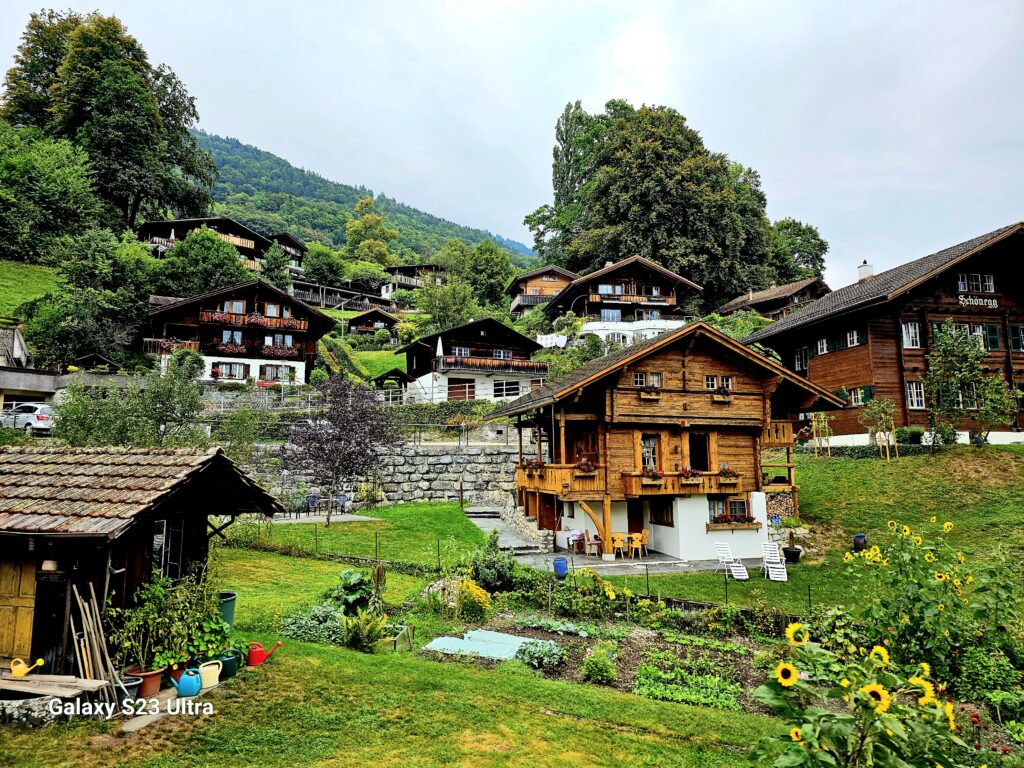
Hotel prices vary significantly between cities and mountain resorts.
City Hotels (Zurich, Lucerne, Bern) — per night, per person (double occupancy):
| Category | CHF | USD |
|---|---|---|
| Budget (2–3 star) | 75–125 | ~$83–$139 |
| Mid-range (3–4 star) | 125–200 | ~$139–$222 |
| Upper (4–5 star) | 200+ | ~$222+ |
Mountain Resort Hotels (Zermatt, Grindelwald, Interlaken) — per night, per person:
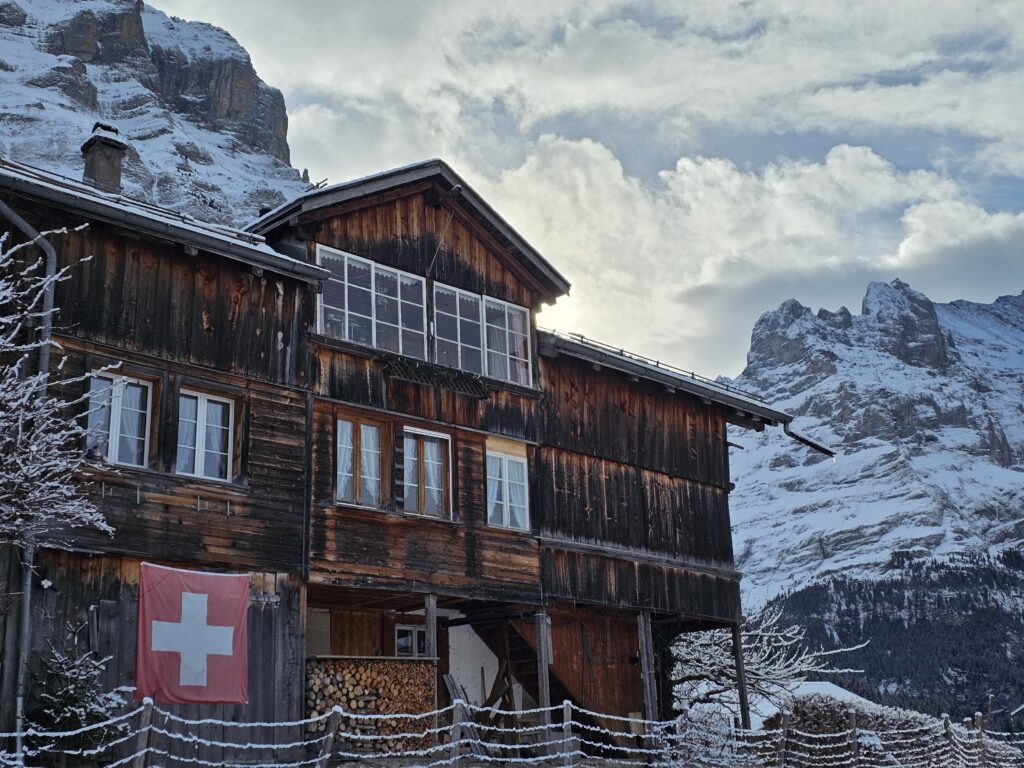
| Category | CHF | USD |
|---|---|---|
| Budget (2–3 star) | 100–150 | ~$111–$167 |
| Mid-range (3–4 star) | 150–250 | ~$167–$278 |
| Upper (4–5 star) | 250+ | ~$278+ |
Peak season (mid-June to mid-September) adds 20–40% to these prices. Shoulder season (April–May, October) is noticeably cheaper. Booking 2–3 months ahead helps secure better rates.
If you want to keep costs down, staying in a 3-star hotel in Zurich or Lucerne and visiting mountain areas as day trips is a practical approach.
Transport: Where Switzerland Gets Expensive
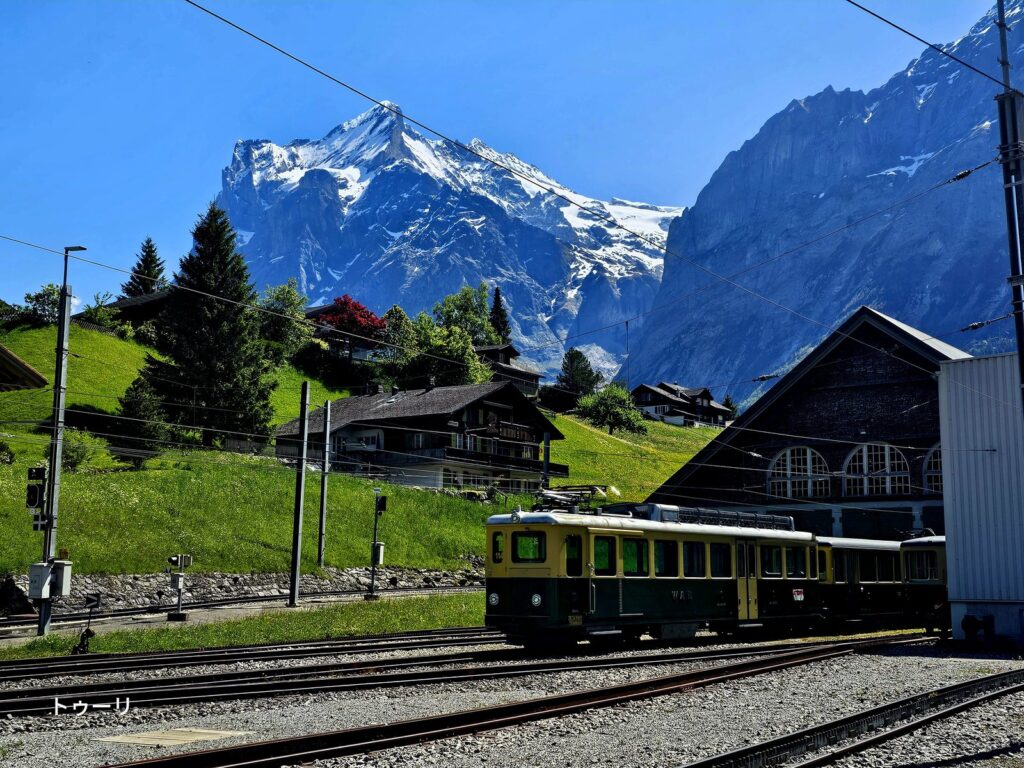
Swiss trains are punctual and comfortable, but they cost as much as — or more than — Japan’s bullet trains or European high-speed rail.
Major Routes (one-way, 2nd class):
| Route | Travel time | CHF | USD |
|---|---|---|---|
| Zurich → Interlaken | ~2 hours | 77 | ~$85 |
| Interlaken → Zermatt | ~2.5 hours | 68 | ~$75 |
| Zurich → Lucerne | ~45 min | 26 | ~$29 |
| Zurich → Bern | ~1 hour | 54 | ~$60 |
Then there are the mountain railways and cable cars — the highlight of most Switzerland trips, and the biggest surprise on the bill.
Mountain Railways & Cable Cars (return / round trip):
| Mountain | CHF | USD | Notes |
|---|---|---|---|
| Jungfraujoch (from Grindelwald) | from 129.60 | ~$144 | Lowest fare from Grindelwald Terminal. Varies by departure station, season, and ticket type. |
| Gornergrat (from Zermatt) | 132 | ~$147 | Zermatt–Gornergrat return (one way: CHF 66). 50% off with the Swiss Travel Pass or Half Fare Card. |
| Pilatus (Lucerne area) | 84 | ~$93 | Cogwheel railway + cable car round trip. Golden Round Trip (incl. boat & bus): CHF 119.80. |
| Schilthorn (from Mürren) | 91.40 | ~$101 | From Stechelberg: CHF 115 (~$128). |
The Jungfraujoch varies widely by departure point and ticket type, but even the most common route (from Grindelwald Terminal) starts at around $133 for a round trip. A single mountain railway ride costing $100–$200 is the norm in Switzerland — and this is what often pushes the Switzerland trip cost higher than expected.
Prices are approximate as of 2026. Check official sites for the latest: jungfrau.ch, gornergrat.ch, pilatus.ch, schilthorn.ch.
Is the Swiss Travel Pass Worth It?
This is one of the most common Switzerland travel tips debates. Here’s the 2026 pricing:
Swiss Travel Pass (2nd class, consecutive days):
| Duration | CHF | USD |
|---|---|---|
| 3 days | 254 | ~$282 |
| 4 days | 309 | ~$343 |
| 6 days | 399 | ~$443 |
| 8 days | 439 | ~$487 |
| 15 days | 499 | ~$554 |
The Swiss Travel Pass covers unlimited trains, buses, and lake boats, plus up to 50% off mountain railways, and free entry to major museums.
Swiss Half Fare Card: CHF 150 (~$167) for 1 month — 50% off almost all trains, buses, and mountain railways.
Which one? The Swiss Travel Pass pays for itself if you’re visiting 3+ cities and riding at least one mountain railway. For a 4-day trip hitting Zurich, Interlaken, Zermatt, and the Jungfraujoch, the 4-day pass (309 CHF) is usually the best deal. For shorter trips with fewer train journeys, the Half Fare Card at CHF 150 is often the smarter choice.
Children under 6 travel free. With the free Swiss Family Card, children aged 6–15 travel free when accompanied by a parent.
Prices are approximate as of 2026. Exchange rate: 1 CHF ≈ 1.11 USD. Check official sources for the latest.
Food Budget: Two Realistic Patterns
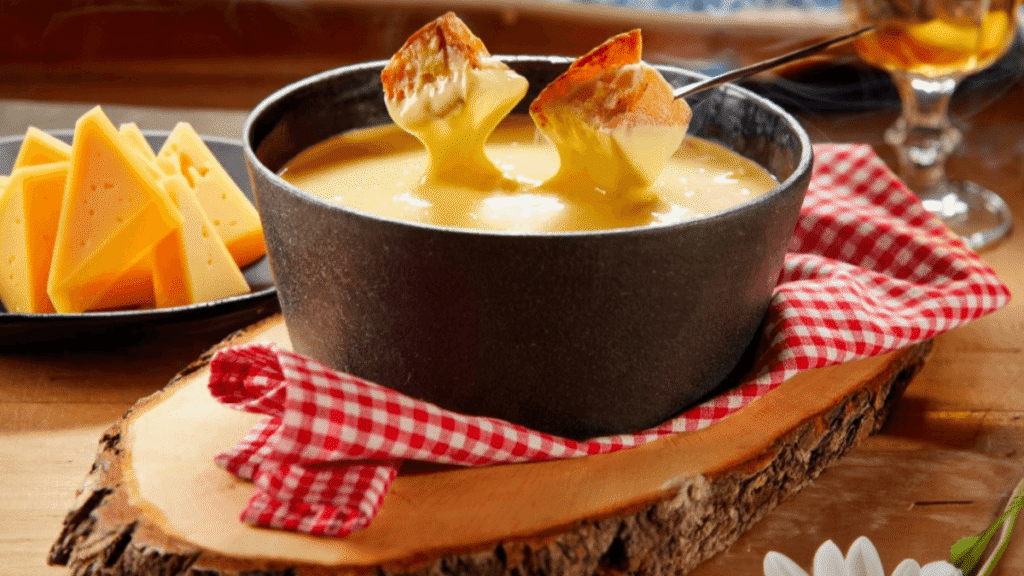
Pattern 1: Restaurant-Focused
| Meal | CHF | USD |
|---|---|---|
| Breakfast (café: coffee + pastry) | 8–12 | ~$9–$13 |
| Lunch (restaurant) | 25–35 | ~$28–$39 |
| Dinner (restaurant: main + drink) | 40–60 | ~$44–$67 |
| Daily total | 73–107 | ~$81–$119 |
Pattern 2: Mix of Supermarket and Restaurant
| Meal | CHF | USD |
|---|---|---|
| Breakfast (hotel breakfast included, or supermarket) | 0–5 | ~$0–$6 |
| Lunch (COOP/Migros eat-in or takeaway) | 8–15 | ~$9–$17 |
| Dinner (alternate: restaurant one night, supermarket the next) | 15–40 | ~$17–$44 |
| Daily total | 23–60 | ~$26–$67 |
This isn’t about cutting corners — it’s how locals actually eat. Grabbing bread, cheese, and fruit from Migros and eating with a mountain view is one of the best parts of visiting Switzerland.
Sightseeing & Activity Costs
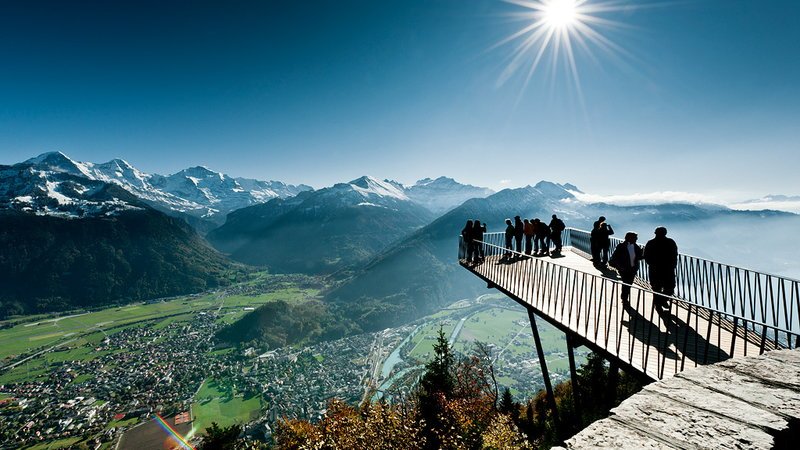
| Attraction | CHF | USD |
|---|---|---|
| St. Beatus Caves (near Interlaken) | 20 | ~$22 |
| Trümmelbach Falls (Lauterbrunnen) | 15 | ~$17 |
| Zurich Art Museum | 24 | ~$27 |
| Aare Gorge | 10 | ~$11 |
| Lake Lucerne cruise (~1 hour) | 30–50 | ~$33–$56 |
Budget CHF 30–80 (~$33–$89) per person per day for activities, depending on your itinerary. If you have a Swiss Travel Pass, museum entry and lake cruises are free or discounted.
3-Night Budget Examples (Per Person, Excluding Flights)
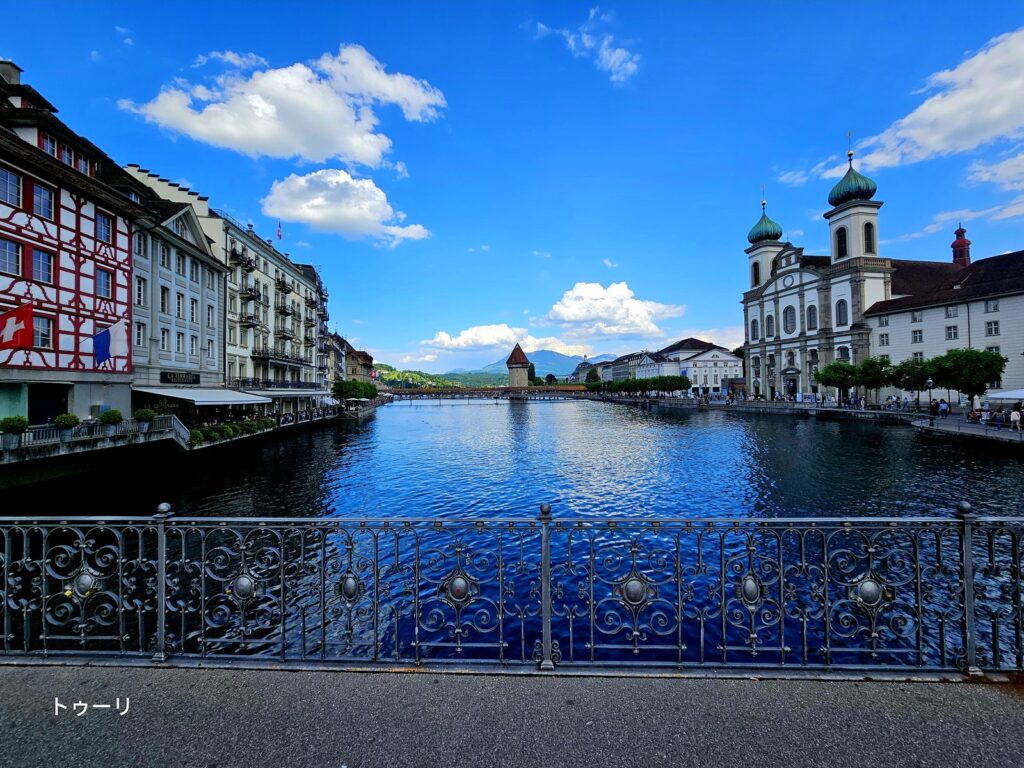
A 3-night trip costs about $1,137 per person at a standard level, $1,448 at a comfortable level, and $1,910 for luxury, excluding flights.
Sample route: Zurich (1 night) → Interlaken (1 night) → Zermatt or Lucerne (1 night) → Zurich (departure)
Standard
| Category | CHF | USD |
|---|---|---|
| Hotel (3 nights, mid-range) | 375 | ~$416 |
| Transport (Swiss Travel Pass 4-day) | 309 | ~$343 |
| Mountain railway (1 trip, 50% Pass discount) | 65 | ~$72 |
| Food (3 days, mixed style) | 150 | ~$167 |
| Activities | 50 | ~$56 |
| Other (SIM, insurance, souvenirs) | 75 | ~$83 |
| Total | 1,024 | ~$1,137 |
Comfortable
| Category | CHF | USD |
|---|---|---|
| Hotel (3 nights, 4-star) | 525 | ~$583 |
| Transport (Swiss Travel Pass 4-day) | 309 | ~$343 |
| Mountain railway (1 trip, 50% discount) | 65 | ~$72 |
| Food (3 days, mostly restaurants) | 250 | ~$278 |
| Activities | 80 | ~$89 |
| Other | 75 | ~$83 |
| Total | 1,304 | ~$1,448 |
Luxury
| Category | CHF | USD |
|---|---|---|
| Hotel (3 nights, 4–5 star) | 750 | ~$833 |
| Transport (1st class pass + mountain railways) | 400 | ~$444 |
| Food (3 days, fine dining) | 350 | ~$389 |
| Activities | 120 | ~$133 |
| Other | 100 | ~$111 |
| Total | 1,720 | ~$1,910 |
A standard trip runs about $1,140, a comfortable one about $1,450, and a luxury stay about $1,910. These are realistic figures for a 3-night stay.
Prices are approximate as of 2026. Exchange rate: 1 CHF ≈ 1.11 USD. Actual costs vary by season and personal choices.
What About a 5-Night Trip?
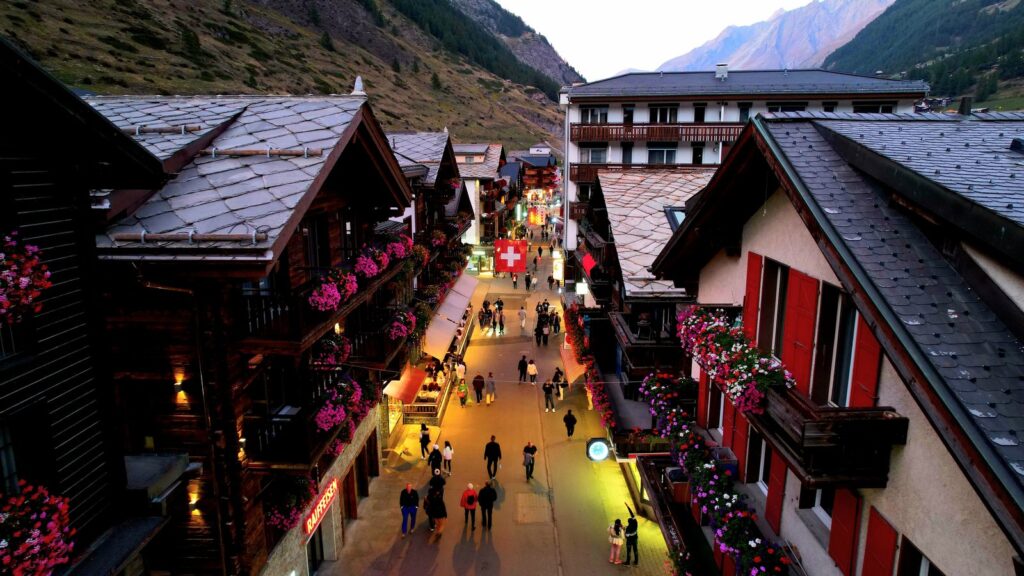
A 5-night trip costs about $1,781 per person at a standard level, excluding flights, which is $644 more than 3 nights.
More nights mean higher hotel and food bills, but transport costs actually become more efficient.
5-Night Model Budget (Standard, per person):
| Category | 3 Nights | 5 Nights | Difference |
|---|---|---|---|
| Hotel | $416 | $694 | +$278 |
| Transport | $343 (Pass 4-day) | $443 (Pass 6-day) | +$100 |
| Mountain railway (2 trips) | $72 | $144 | +$72 |
| Food | $167 | $278 | +$111 |
| Activities | $56 | $111 | +$55 |
| Other | $83 | $111 | +$28 |
| Total | $1,137 | $1,781 | +$644 |
Two extra nights add roughly $650, but your daily average actually drops — from about $379 per day to $356. This is because the Swiss Travel Pass gets cheaper per day as you add days, and you can base yourself in one city to reduce hotel-hopping costs.
If you’re already paying for a long-haul flight, extending by two nights is often the better value decision.
5 Ways to Spend Smarter in Switzerland
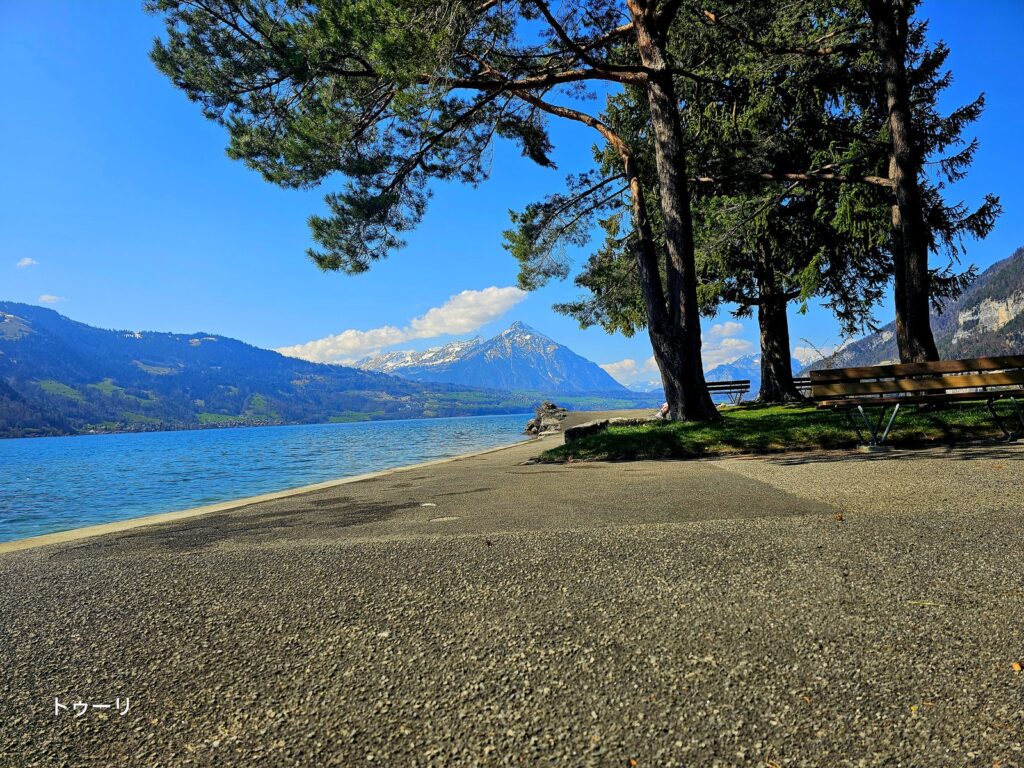
Supermarket meals can cut your daily food bill roughly in half, and an included hotel breakfast saves CHF 15–25 (~$17–$28) per person each morning.
These aren’t budget hacks — they’re practical choices that help you save money Switzerland travel without sacrificing the experience.
1. Use COOP and Migros Strategically
As mentioned above, supermarket meals can cut your daily food bill in half. Both COOP and Migros are everywhere — including inside train stations. Their hot food counters and eat-in areas are genuinely good. Buying bread, ham, and cheese and eating on a bench with a mountain view isn’t settling — in Switzerland, it’s one of the best meals you’ll have.
2. Consider the Half Fare Card for Shorter Trips
The Swiss Travel Pass gets most of the attention, but if you’re only taking 3–4 train rides, the Half Fare Card (CHF 150) often saves more. It gives you 50% off nearly every train, bus, and mountain railway for a full month. Even one mountain railway discount can save you $50–$100.
3. Book Hotels with Breakfast Included
A hotel breakfast in Switzerland would cost CHF 15–25 (~$17–$28) if purchased separately. Many mid-range hotels include a full buffet — bread, cheese, ham, cereal, fruit, coffee — in the room rate. Over 3 nights, that’s $50–$80 saved, and a full breakfast means you can keep lunch light.
4. Plan Around Sundays
Most supermarkets in Switzerland are closed on Sundays. Station kiosks stay open but have limited selection and higher prices. If you can’t use the supermarket on Sunday, you’re stuck paying restaurant prices for every meal. Buy Saturday evening supplies for Sunday — it’s a small habit that prevents unnecessary spending.
5. Reduce Hotel-Hopping
Every city change means a train ticket and the hassle of moving luggage. Instead of Zurich → Interlaken → Zermatt on consecutive nights, consider staying 2–3 nights in one base and doing day trips. For example: 2 nights in Zurich with a day trip to Lucerne, then 2 nights in Interlaken with a day trip to Grindelwald. Even with a Swiss Travel Pass, each transfer eats 3–5 hours of your day. Fewer moves means more time — and often less money.
How Does a Private Tour Compare?
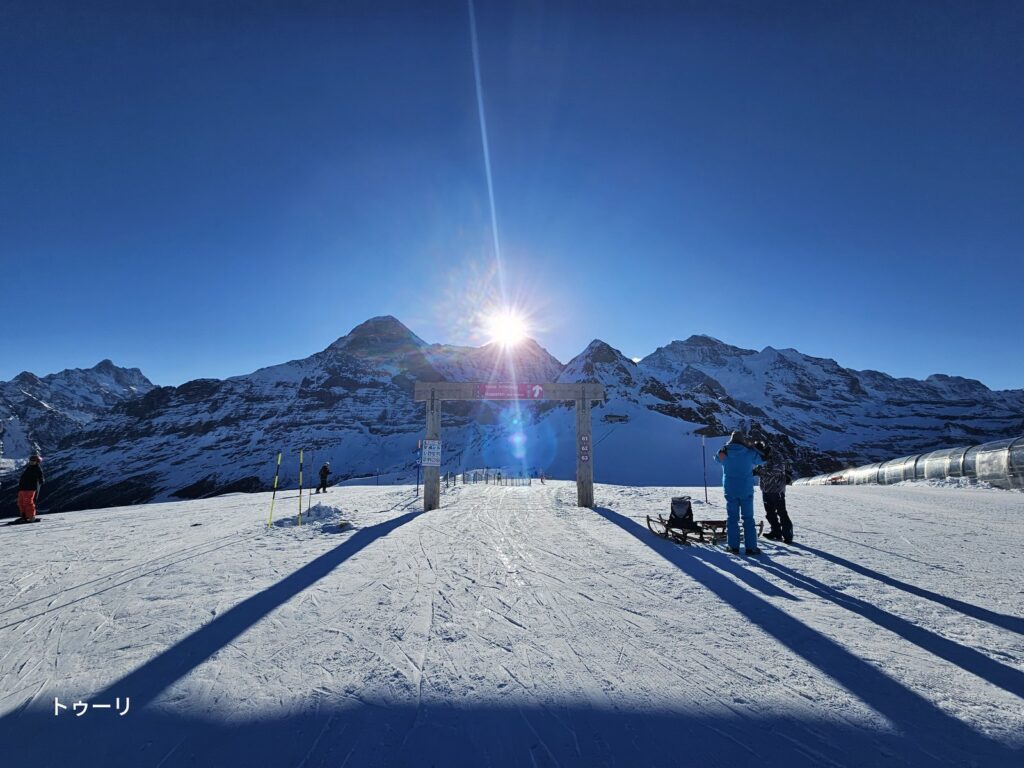
A private day with Turi, our English-speaking driver-guide, costs CHF 750 (~$900) per vehicle: about $449 per person for two guests and $150 per person for six.
Tour prices are as of October 2026 at 1 CHF ≈ 1.20 USD. Other prices in this article use 1 CHF ≈ 1.11 USD.
Want help figuring out what your trip will actually cost? Turi can help you plan with no commitment. → Contact us
So far, we’ve looked at costs for independent travel. But there’s another option worth considering: a private tour Switzerland experience.
TuriTravel charges 750 CHF (~$900) per vehicle per day for up to 6 guests. That’s a flat rate — not per person — so the more people in your group, the lower the per-person cost.
| Group size | Cost per person (CHF) | Cost per person (USD) |
|---|---|---|
| 2 guests | 375 | ~$449 |
| 3 guests | 250 | ~$299 |
| 4 guests | 188 | ~$224 |
| 6 guests | 125 | ~$150 |
How Does This Compare to Other Tour Options?
| Service | Price | Per |
|---|---|---|
| GetYourGuide (Pilatus day tour from Lucerne) | ~$250–350 | per person |
| Viator (Swiss Alps private tour) | ~$450–900 | per person |
| TuriTravel | 750 CHF (~$900) | per vehicle (up to 6 guests) |
Verify latest prices on GetYourGuide and Viator before comparing.
Sample Day: Pilatus + Lake Lucerne (Real Booking Example)
This is based on an actual itinerary: Interlaken → St. Beatus Caves → Mount Pilatus → Lake Lucerne cruise → Lucerne old town → drop-off at Zurich Airport hotel.
Independent travel (2 people):
| Item | CHF | USD |
|---|---|---|
| Train: Interlaken → Lucerne | 66 | ~$73 |
| St. Beatus Caves (2 tickets) | 40 | ~$44 |
| Pilatus round trip (2 tickets) | 168 | ~$187 |
| Lake Lucerne cruise (2 tickets) | 70 | ~$78 |
| Train: Lucerne → Zurich Airport | 26 | ~$29 |
| Luggage lockers | 12 | ~$13 |
| Total | 382 | ~$424 |
Private tour (2 people):
| Item | CHF | USD |
|---|---|---|
| Tour fee (includes all transport & airport drop-off) | 750 | ~$898 |
| St. Beatus Caves (2 tickets) | 40 | ~$44 |
| Pilatus round trip (2 tickets) | 168 | ~$187 |
| Lake Lucerne cruise (2 tickets) | 70 | ~$78 |
| Total | 1,028 | ~$1,207 |
For 2 people, the private tour costs roughly $660 more. But that includes door-to-door hotel transfers, your luggage staying in the car all day, weather-based route changes, and a direct drop-off at the airport hotel. With trains, you’re looking at 3 transfers, carrying bags through stations, and no flexibility if the weather turns.
What about 6 people?
| Independent (6 people total) | Private tour (6 people) | |
|---|---|---|
| Transport | ~$213 | $0 (included) |
| Sightseeing & entry fees | ~$897 | ~$897 |
| Tour fee | $0 | ~$898 |
| Luggage lockers | ~$40 | $0 |
| Total | ~$1,150 | ~$1,795 |
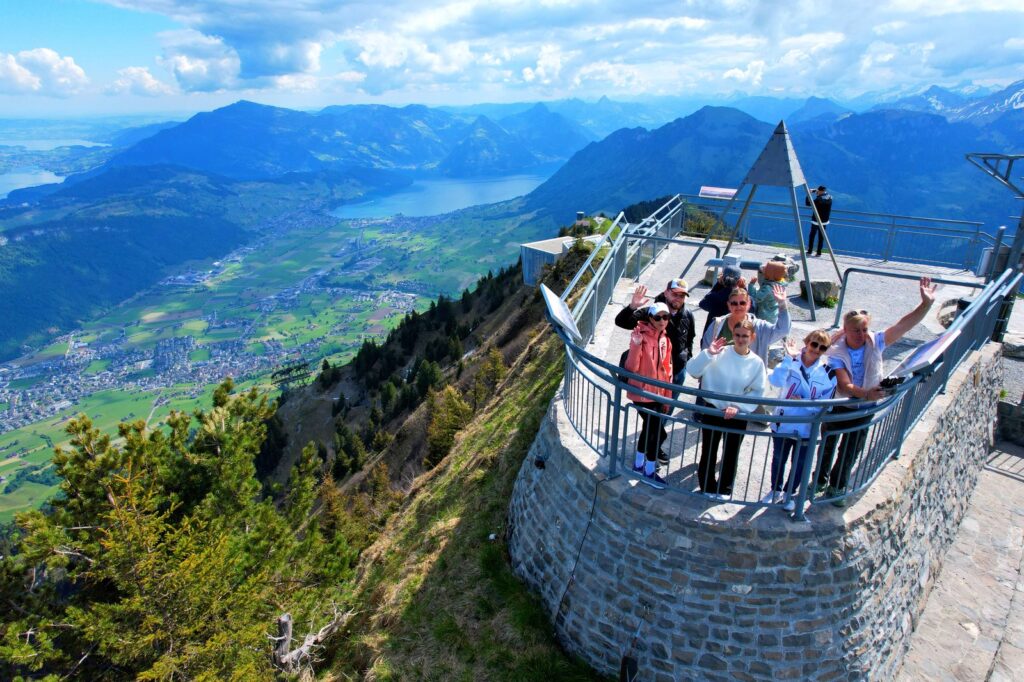
Even with 6 people, independent travel is cheaper — but the gap is about $645. For that difference, you get a private vehicle, luggage handled for you, weather-adaptive routing, drone photography (normally a paid service elsewhere), and a local guide who has driven these roads for 15 years.
Is a Private Tour Worth It?
If you’re comfortable navigating Swiss trains and don’t mind carrying your luggage through stations, independent travel is cheaper. Switzerland’s rail system is excellent, and you can absolutely do it on your own.
But picture this: you walk down to the hotel lobby in the morning, your car is already waiting. Your suitcases go in the trunk, and you just get in. No checking timetables, no figuring out which platform, no dragging bags up stairs. “The weather looks better on Pilatus this morning — let’s go there first,” your guide says, adjusting the plan on the spot.
You spot a beautiful cheese wheel at a local shop but think, “I can’t carry this around all day.” With a private car, it goes straight in the trunk. On your last day, you keep sightseeing until the very last moment, then get dropped off directly at the airport — no rushing for the last train with heavy bags and souvenirs.
This isn’t a tour in the traditional sense. It’s closer to having a friend who lives in Switzerland drive you around.
Who This Works For
A private tour makes sense for first-time visitors who want local guidance without the stress of navigation, families with young children or elderly members who need a comfortable pace, groups of 4–6 where the per-person cost becomes very competitive, travelers with limited time who want to maximize every day, and anyone who’d rather spend their energy on the experience than on logistics.
Who Should Travel Independently
Independent travel is the better choice for experienced travelers who enjoy figuring things out on their own, people who want maximum flexibility to change plans on a whim, budget-focused travelers who want to keep costs as low as possible, and repeat visitors who already know Switzerland well.
Neither choice is right or wrong — it depends on your travel style and who you’re traveling with.
Planning a honeymoon for two? Our Switzerland honeymoon guide explains why couples usually save by taking the train, and which single day may still be worth spending with an English-speaking driver-guide.
FAQ
How much does a 3-night trip to Switzerland cost?
Excluding flights, about $1,140–$1,910 (CHF 1,024–1,720) per person, depending on your hotel, transport and dining choices.
How much does Switzerland cost per day?
Most visitors spend CHF 150–300 (~$167–$333) per person per day, excluding flights.
What is the most expensive part of a Switzerland trip?
Accommodation and transport, especially mountain railways, which can cost $100–$250 per round trip.
Is the Swiss Travel Pass worth it?
If you’re visiting 3+ cities and riding at least one mountain railway, the 4-day pass (309 CHF) often pays for itself. For shorter trips, the Half Fare Card (150 CHF) may be a better deal.
When is the cheapest time to visit Switzerland?
April–May and October offer lower flight and hotel prices. June–September is peak season with the highest costs. For a month-by-month breakdown, see our guide to the best time to visit Switzerland.
To see what a day with Turi looks like, what is included and the 750 CHF daily rate, visit our private tours in Switzerland page.
Ready to start planning? Get in touch — we’ll help you make the most of your budget. → Contact us
Pingback: Best Time to Visit Switzerland (2026): A Local's Month-by-Month Guide - Swiss Private Journey