
Start researching a honeymoon in Switzerland, and after a few websites you may notice something.
Almost everyone recommends the same places.
The Matterhorn in Zermatt. Jungfraujoch and Grindelwald. Lucerne and its Old Town. Perhaps the Glacier Express if you have enough time.
There is a good reason for that.
The classic Switzerland honeymoon itinerary is excellent. I would not change it.
But if you have seven or eight nights in Switzerland, I would consider changing just one day.
One day without pulling suitcases through train stations. One day without checking departure boards. And one day somewhere that does not appear in every Switzerland honeymoon itinerary.
My name is Turi. I have lived in Switzerland for 15 years and run TuriTravel, a private tour service, together with my wife, Helen.
In this guide, I will explain why the classic honeymoon route works, where it can become tiring, and how I would add one very different day in southern Switzerland — Ticino, and possibly Lake Como.
And one thing before we begin:
For two people, a private day with a driver-guide is more expensive than travelling entirely by train.
I will show you the numbers, so you can decide whether that one day is worth it for your honeymoon.
Table of Contents
Why Do So Many Switzerland Honeymoon Itineraries Look the Same?
There is a simple reason: geography.
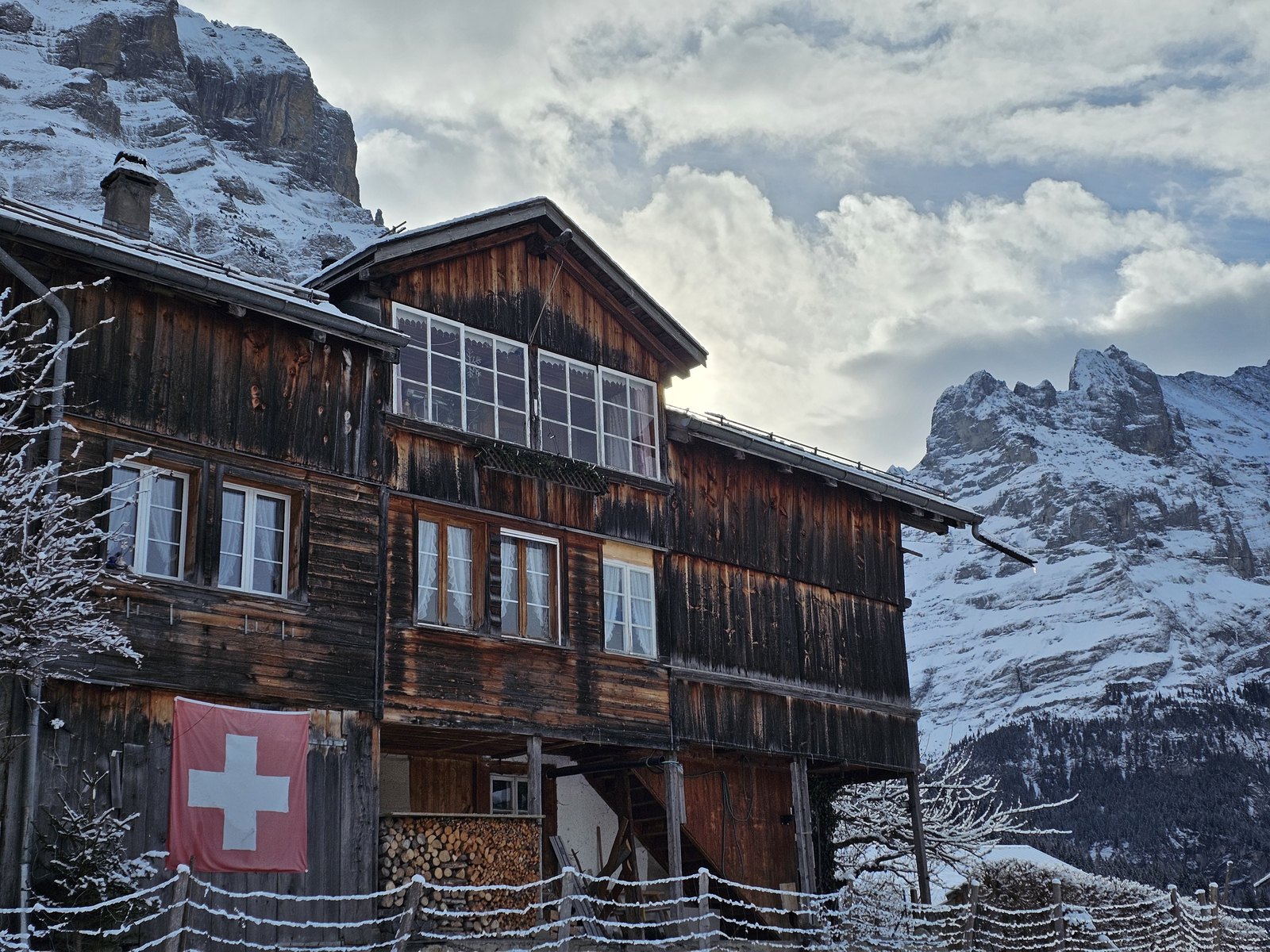
Some of Switzerland’s most spectacular mountain scenery is concentrated around two areas: the Jungfrau region — Interlaken, Grindelwald and Lauterbrunnen — and Zermatt with the Matterhorn.
Both are well connected by Switzerland’s railway network. Lucerne fits naturally into many itineraries, while longer trips sometimes add the Glacier Express.
That is why a typical first-time honeymoon begins to look something like: Zurich → Lucerne → Interlaken/Grindelwald → Zermatt → airport.
You will find variations, but the basic structure changes surprisingly little. That is not because travel writers lack imagination. It is because the route works.
For a first visit to Switzerland, I would not try to be different simply for the sake of being different. The classic route deserves its reputation.
The mistake is usually not choosing the wrong places. It is trying to fit too many places into the trip.
Jungfraujoch alone can occupy most of a day. Once you allow time for mountain excursions, weather changes and simply enjoying where you are, five nights disappear very quickly.
For two major Alpine regions, I prefer having around seven nights rather than racing through both in five.
How Much Does a Switzerland Honeymoon Cost?
Switzerland is not a budget honeymoon destination. The final cost varies enormously depending on your flights, hotels, restaurants and mountain excursions.
There is also an important difference between an ordinary holiday and a honeymoon. On a normal trip, you might happily choose a practical hotel room near the station. On your honeymoon, you may decide that the room with the lake view, a special dinner, or an extra night in the mountains is worth paying for.
That is not bad budgeting. It simply means you should budget for the trip you actually want.
Transport is one part of that calculation. For most couples, Switzerland’s railway system remains the most economical way to travel around the country.
The Biggest Problem Is Not the Itinerary. It Is Travel Fatigue.
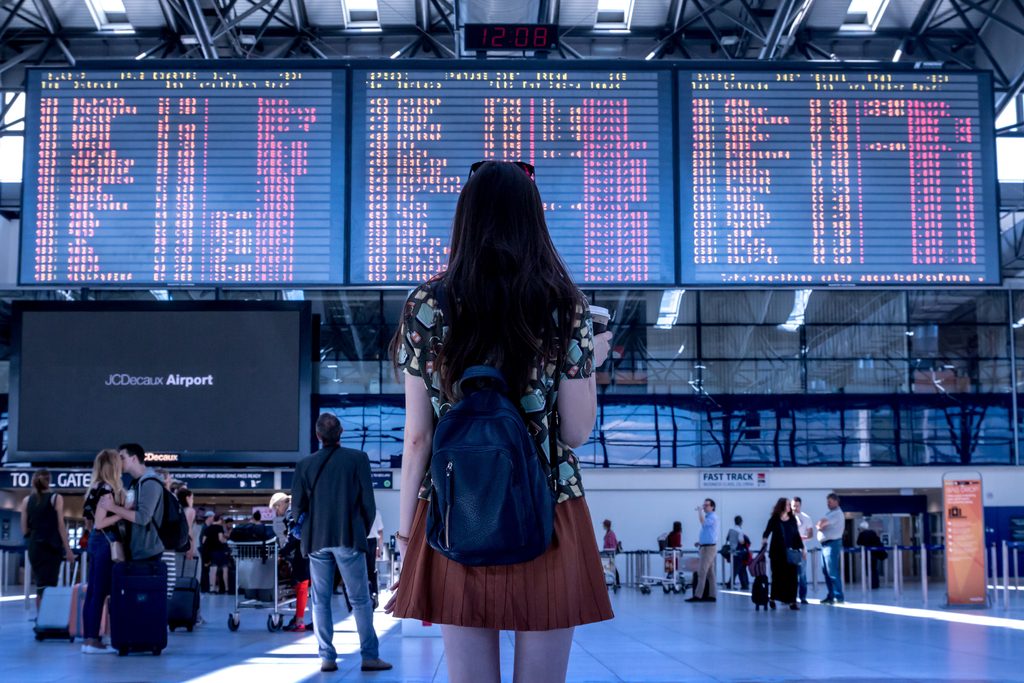
Switzerland is extremely easy to travel around by train. But “easy” does not always mean “effortless.”
Imagine doing this repeatedly with two large suitcases: check out of the hotel, walk to the station, find the platform, lift the luggage onto the train, change trains, get off, cross another station, find the next hotel, and check in.
Then repeat it two days later. Add cobblestones, mountain railways, bad weather and jet lag.
None of these things is a serious problem by itself. Together, they can quietly consume a honeymoon.
And there is another issue: weather. A tightly packed Alpine itinerary works beautifully when the weather cooperates. When it does not, everything becomes harder.
If Tuesday is your only Jungfraujoch day and Tuesday is covered in cloud, your carefully planned schedule suddenly has very little flexibility.
For a honeymoon, I prefer building some empty space into the itinerary rather than filling every available hour.
Three Ways I Would Improve a Classic Switzerland Honeymoon
I would make three small changes:
- Spend one night in the mountains.
- Keep one day flexible for weather.
- Change your mode of transport for just one day.
The first two are relatively straightforward. If possible, spend a night somewhere such as Zermatt or in the Jungfrau region rather than treating every mountain destination as a day trip.
And give yourself enough flexibility to choose the better-weather day for your most important mountain excursion.
The third idea is less common. Build most of your honeymoon around Switzerland’s excellent railway system, then make just one day different.
Use a private vehicle for the day when it creates the biggest advantage. And if I were choosing that day, I would look south.
The Switzerland Honeymoon Destination Most Itineraries Miss: Ticino
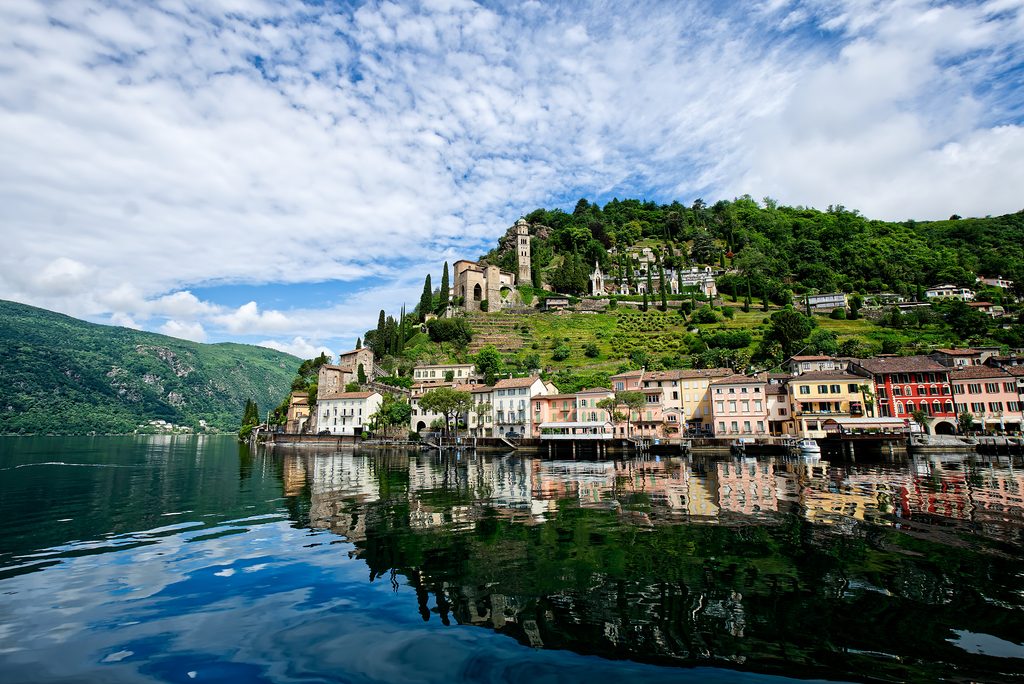
Switzerland has four national languages and several very different cultural regions. Yet many first-time itineraries spend most of their time in the German-speaking Alpine areas.
Southern Switzerland feels different. Welcome to Ticino.
Palm trees grow beside Alpine lakes. Italian is the local language. Piazzas replace some of the mountain-village atmosphere you have experienced farther north.
For a honeymoon, that contrast is exactly what makes it interesting. After several days of mountains, cable cars and Alpine villages, you suddenly arrive somewhere that feels almost Mediterranean.
Locarno
Locarno’s Piazza Grande is the heart of the town and the setting for its famous international film festival. It is a good place to slow down, have a coffee and remember that you are on a honeymoon rather than completing a sightseeing checklist.
Ascona
Ascona is one of my favourite places for couples. The lakeside promenade, colourful buildings and restaurants create a completely different atmosphere from the high Alps. This is somewhere I would rather spend two relaxed hours than 30 rushed minutes.
Verzasca Valley and Lavertezzo
This is where having a car becomes particularly useful. Lavertezzo is known for its clear emerald water and the double-arched stone Ponte dei Salti.
It is one of those places where the point is not simply to arrive, take a photograph and leave. Sit beside the river. Walk across the bridge. If the weather is good, stay longer. The ability to decide that yourselves is part of the experience.
Lugano
Lugano combines Switzerland with a strong Italian influence: Lake Lugano, Parco Ciani, Via Nassa and palm trees beneath the mountains. It also works naturally as the southern gateway to another possibility: Italy.
And If You Have Time: Continue to Lake Como
From Ticino, northern Italy is very close. That creates an unusual honeymoon combination: the Swiss Alps + Ticino + Lake Como.
You might continue toward Menaggio and use the ferries to explore places such as Bellagio and Varenna.
Bellagio gives you the narrow streets, lake views and Italian atmosphere people imagine when they picture Lake Como. Varenna has its famous lakeside promenade.
This can turn one section of a Switzerland honeymoon into something that feels like a second journey entirely.
There is, however, an important practical point: Lake Como is in Italy. For our private tours, journeys outside Switzerland are quoted individually rather than charged at our standard Swiss day rate.
Why Not Simply Take the Train?
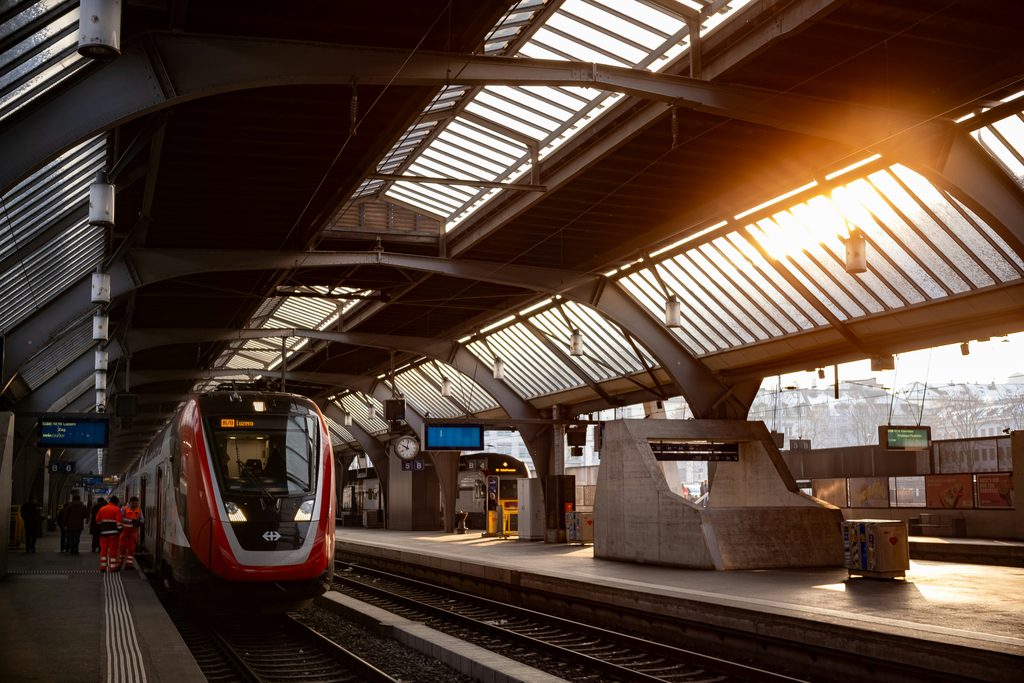
You can. And for Lugano and Locarno, the train is a perfectly good option.
The difference becomes more noticeable when you start combining smaller destinations. Lugano has a railway station. Locarno has a railway station. Ascona can be reached from Locarno by bus.
But travelling deeper into the Verzasca Valley requires another connection, and your time beside the river begins to depend on the bus timetable. Lake Como introduces another layer of connections when approached from Switzerland.
That does not make public transport bad. It simply changes the character of the day.
If your goal is to visit one city, take the train. If your goal is to connect several small places, stop when you see something interesting, change plans because of weather, and avoid spending the day thinking about connections, a car becomes much more useful.
Whether a southern day fits your trip depends on how the rest of your itinerary is built. A rough plan is enough to start. Send us your route, and if a private day does not make sense, we will say so.
Is a Private Guided Day Worth It for Two People?
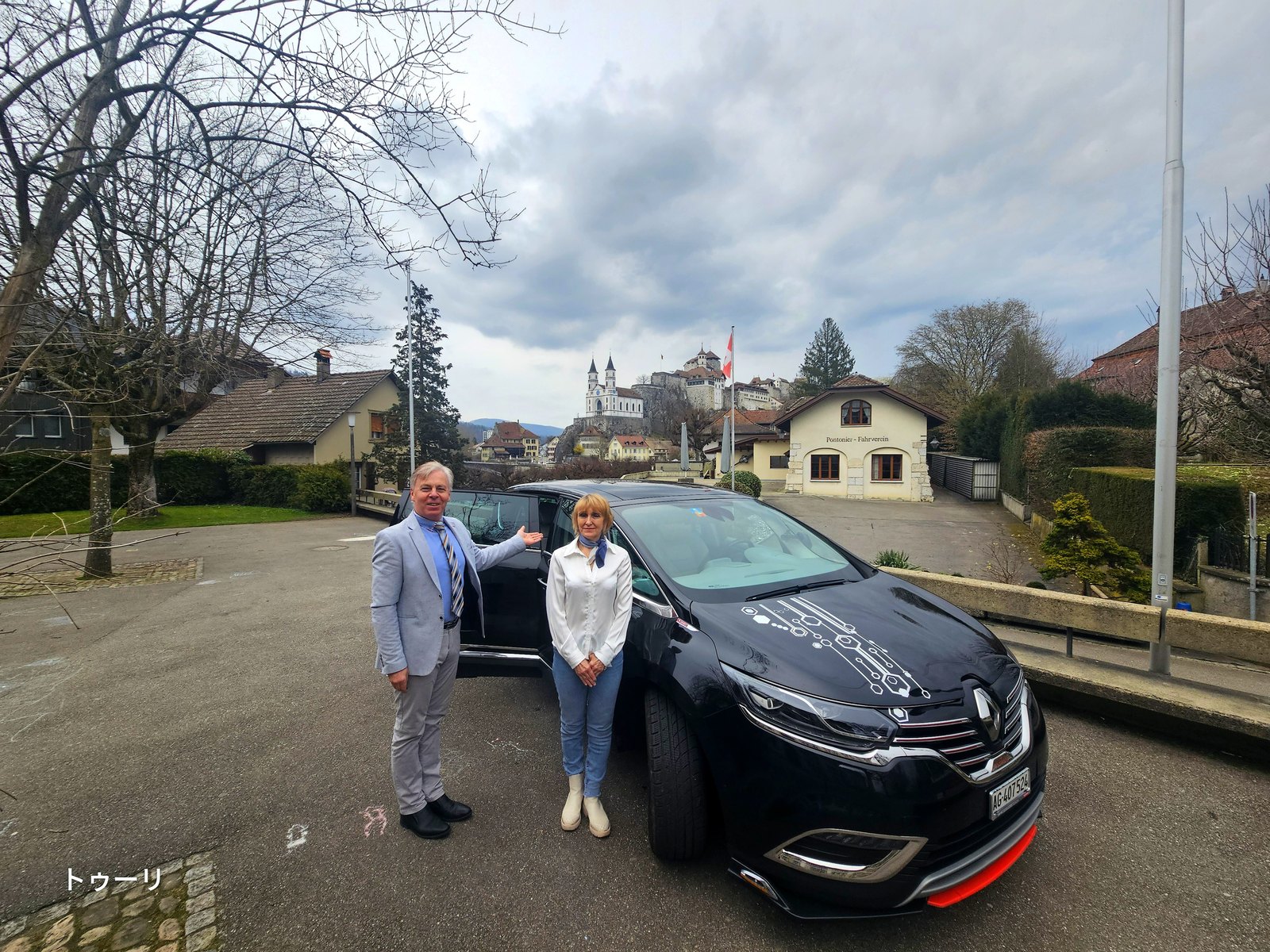
If price is the main consideration, use the train.
Our standard private day in Switzerland is 8–9 hours and costs CHF 750 (approx. USD 900) per vehicle.
The price is for the vehicle, not per person. So for a honeymoon couple: CHF 750 total = CHF 375 (approx. USD 450) per person.
For larger groups, the economics naturally become more favourable because the same vehicle cost is divided among more people.
For two people, however, I would never suggest replacing your entire rail itinerary with private transport simply because we operate private tours. That would usually be unnecessary.
Instead, I would ask a different question: Which single day of your honeymoon benefits most from having a private car?
Perhaps it is the day you explore Ticino. Perhaps it is the day when you have all your luggage. Perhaps it is the day where the weather is uncertain and you want the ability to change direction. That is where I think private transport makes sense.
What Actually Changes on a Private Day?
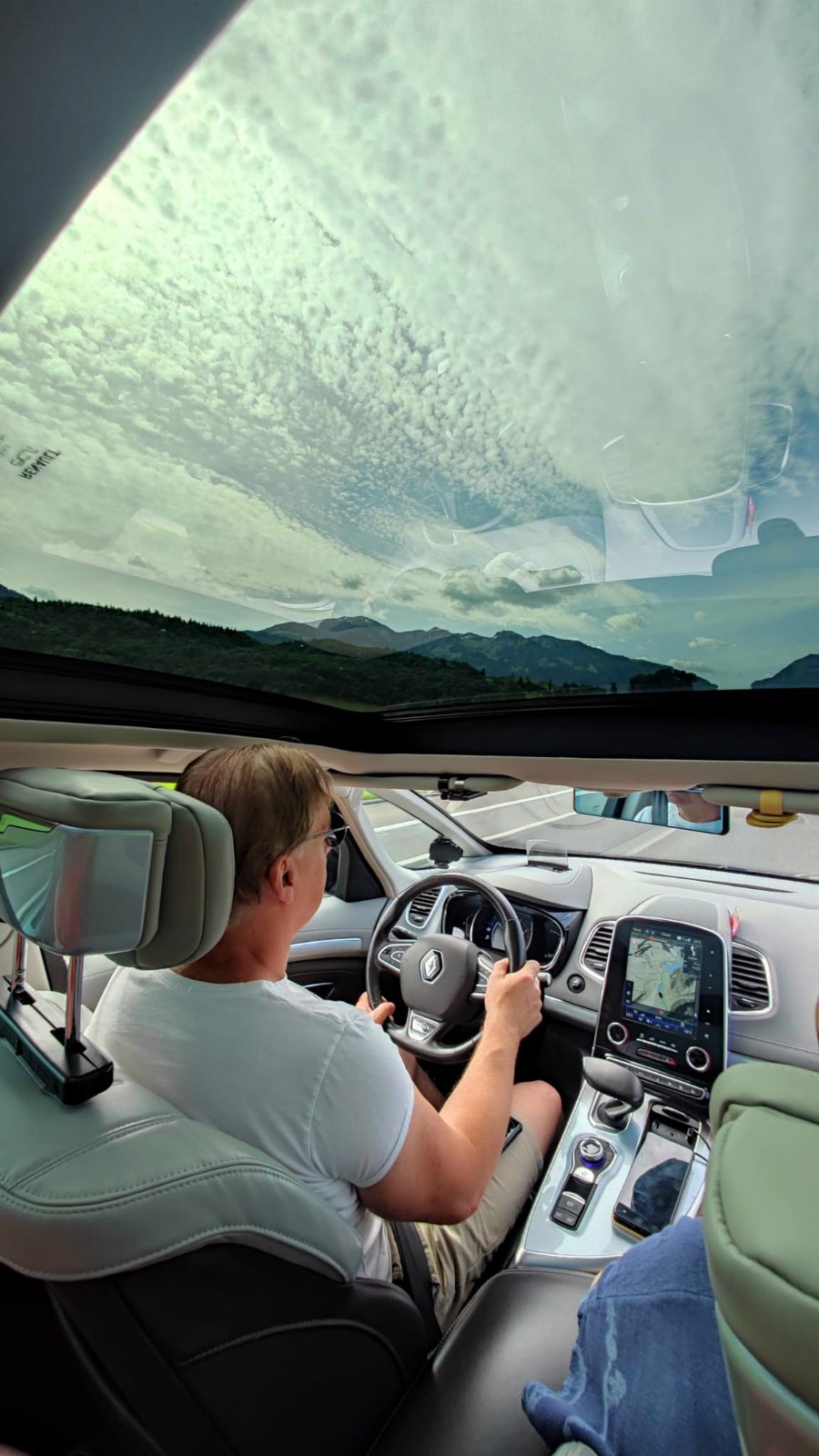
1. You decide how long to stay
We have a route, but I do not want guests looking at their watches every 20 minutes. If you find somewhere you love, stay. If somewhere does not interest you, leave. Your honeymoon should not feel like a school excursion.
2. We can change the route when the weather changes
Mountain weather matters enormously in Switzerland. If one area is covered in rain and another has better conditions, having a vehicle gives us options. It cannot change the weather. It can change what we do about it.
3. Your luggage stays in the vehicle
This sounds like a small thing until you have spent several days travelling with suitcases. No platforms. No lockers. No carrying bags across cobblestones between connections. Your luggage stays with the vehicle while you explore.
4. I do not need to follow you everywhere
This is particularly important on a honeymoon. A private guide does not need to become a third person in your marriage all day.
There are places where I deliberately step away. If you want to walk, eat lunch or explore alone, I can wait at the vehicle and meet you later. Sometimes good private service means knowing when not to be beside the guests.
Where Should You Put This Day in a 7-Night Switzerland Honeymoon?
At the beginning
A car can make the first day easier when you are tired from a long flight. But I would not immediately send a jet-lagged couple on a long journey into southern Switzerland. For arrival day, a transfer plus something nearby usually makes more sense.
In the middle
This works well visually and emotionally. After the Jungfrau region and Zermatt, suddenly seeing palm trees, Italian architecture and lakes creates a strong contrast. The disadvantage is another hotel change.
Near the end
For many couples, this is my favourite option. Instead of ending your honeymoon with another mountain excursion, finish beside the water.
If you have enough time, spend a night in Ascona. Have dinner by the lake. Then continue the journey the following day.
For a 7-night trip, I would consider giving Ticino one or two days. For a shorter 5-night trip, I would normally keep it to one day rather than sacrificing too much of the classic Alpine route.
Frequently Asked Questions
Will having a guide ruin our time alone?
No. You decide how much time you want with me. At places where you would rather explore as a couple, I can simply wait for you. A honeymoon does not need a guide standing beside you in every photograph.
We do not speak German or Italian. Is that a problem?
Not usually. Written communication before the tour — inquiries, quotations and itinerary planning — can be handled in Japanese when required.
I am your English-speaking driver-guide, so there is no need for German or Italian on the day. I am also studying Japanese, and we carry translation devices (Vasco E1 & V4) in the vehicle.
Can we visit Lake Como during a Switzerland honeymoon?
Yes. Switzerland and Italy are both within the Schengen area, although you should still carry your passport or appropriate identification when crossing the border.
Because Lake Como is outside Switzerland, the standard CHF 750 Swiss day rate does not apply. We provide an individual quotation based on the route.
What happens if it rains?
We adapt. If changing direction gives us a better day, we can change the route. Obviously, no guide can guarantee sunshine. The advantage of a private vehicle is flexibility when conditions change.
Can we cancel if our honeymoon plans change?
Under our current policy, cancellation is free up to two weeks before the scheduled date. After that point, a 20% cancellation fee applies. Please confirm the applicable conditions when booking.
Do we need to tip?
No. Tips are not required. A good conversation is more than enough.
Should we add more places because it is our honeymoon?
I would do the opposite. Do not judge your honeymoon by the number of pins you can put on a map.
Three days in Zermatt with one cloudy day and one spectacular Matterhorn morning can be a much better honeymoon than racing through five towns simply because an itinerary said you could.
In Switzerland, empty space in the schedule is not wasted time. Sometimes it is what allows the best day of the trip to happen.
One Different Day Is Enough
I would not reinvent the classic Switzerland honeymoon. There is a reason couples keep going to the Jungfrau region, Zermatt and Lucerne.
Go. See the Matterhorn. Ride the mountain trains. Spend time in the Alps.
But somewhere inside that familiar itinerary, leave one day open for something different.
An emerald river in the Verzasca Valley. Dinner beside the lake in Ascona. Palm trees beneath the Swiss mountains in Lugano. Or perhaps crossing the border and ending the afternoon on Lake Como.
Most of your honeymoon can follow the classic route.
One day does not have to.
To see what a day with Turi looks like, what is included and the 750 CHF daily rate, visit our private tours in Switzerland page.
If your itinerary is still only a rough idea, that is actually a good time to contact us. Send us the route you are considering, and we can tell you whether adding a private day makes sense — or whether you are better off keeping that part of the trip by train.
Related Articles
- How Much Does a Switzerland Trip Actually Cost? A Local Guide Breaks It Down
- The Ultimate Switzerland Itinerary: 7 Days and 4 Days Planned by a Local Guide (2026)
- Arriving Early or Flying Home Late? The Luggage Problem Many Switzerland Travelers Overlook
- Best Time to Visit Switzerland (2026): A Local’s Month-by-Month Guide
*Prices are approximate as of October 2026. USD conversions use 1 CHF ≈ 1.20 USD. Please check the official websites for the latest information.