
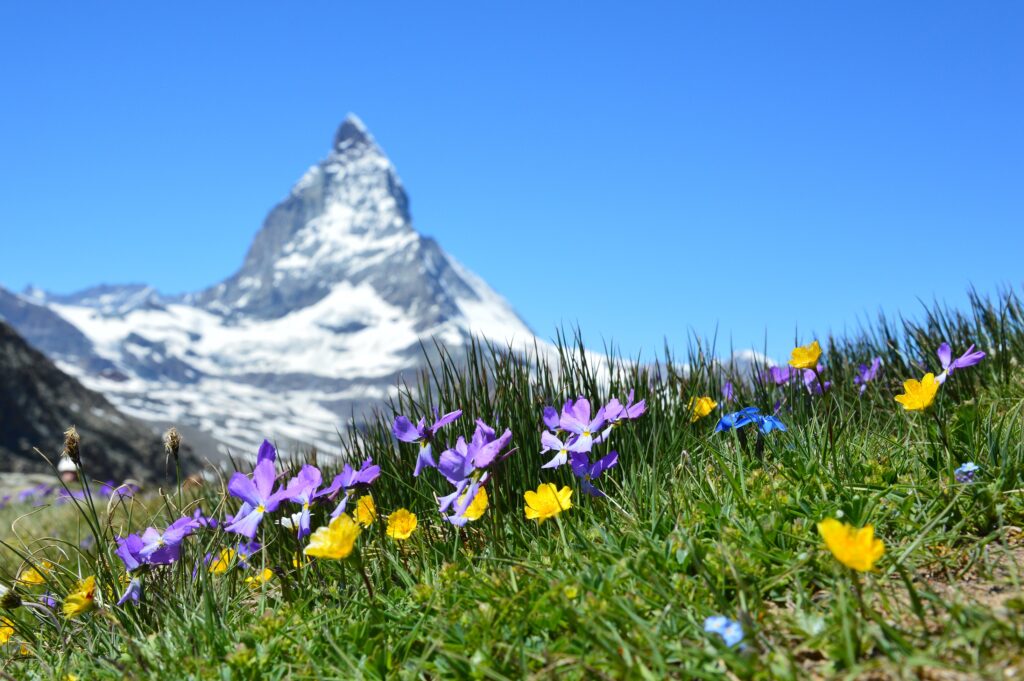
“Which month should I visit Switzerland?”
Most travel articles say June through August. That is not wrong, but it is not enough information to plan a good trip. So when is the best time to visit Switzerland? The honest answer is that it depends on what you want to do, how much you want to spend, and how comfortable you are with crowds or uncertain weather.
Here is what many general travel guides do not tell you. In early June, some important mountain railways and cable cars may still be closed. July and August can be spectacular, but hotels and flights are at their most expensive. September is quieter, the air is often clearer, and the scenery can be just as beautiful. If you are deciding when to visit Switzerland, you need to look beyond the label “high season.”
This article is written by Swiss Private Journey, a private tour service in Switzerland operated by TURI TRAVEL. Our guide, Turi, has lived in Switzerland for 15 years and has seen how much the experience changes from one month to the next. The table below gives you the quickest answer.
| Your main goal | Best period | Why |
|---|---|---|
| Hiking and mountain sightseeing | Late June to mid-September | Most lifts are running, weather is relatively stable, and alpine flowers are in season |
| Fall colors and mountain scenery | Mid-September to mid-October | Autumn colors begin in the mountains, the air is clearer, and long-distance views improve |
| Snow scenery and winter sports | December to March | Ski areas are open and Christmas markets add atmosphere |
| Lower travel costs | April to May and October to November | These shoulder months usually bring lower airfares and hotel rates |
| Cities, museums, and food | Year-round | These activities are less dependent on mountain weather, and winter cities are quieter |
This guide brings together monthly weather, typical crowd levels, travel costs, and the main 2026 operating schedules for mountain railways and cable cars. By the end, you should be able to decide for yourself when to visit Switzerland based on your own priorities.
Related article: How Much Does a Trip to Switzerland Really Cost? A Local Guide to Prices and Money-Saving Tips
Table of Contents
Switzerland Weather by Month: When Is the Best Time to Visit Switzerland?
The following Switzerland weather by month guide uses Zurich as a practical temperature reference while also explaining what is happening in the mountain regions. Remember that conditions can be completely different at 2,000 meters than they are beside a lake or in a city.
The ratings also help compare Switzerland crowd levels by month, but local events, school holidays, Easter, Christmas, and major international conferences can temporarily raise prices and visitor numbers.
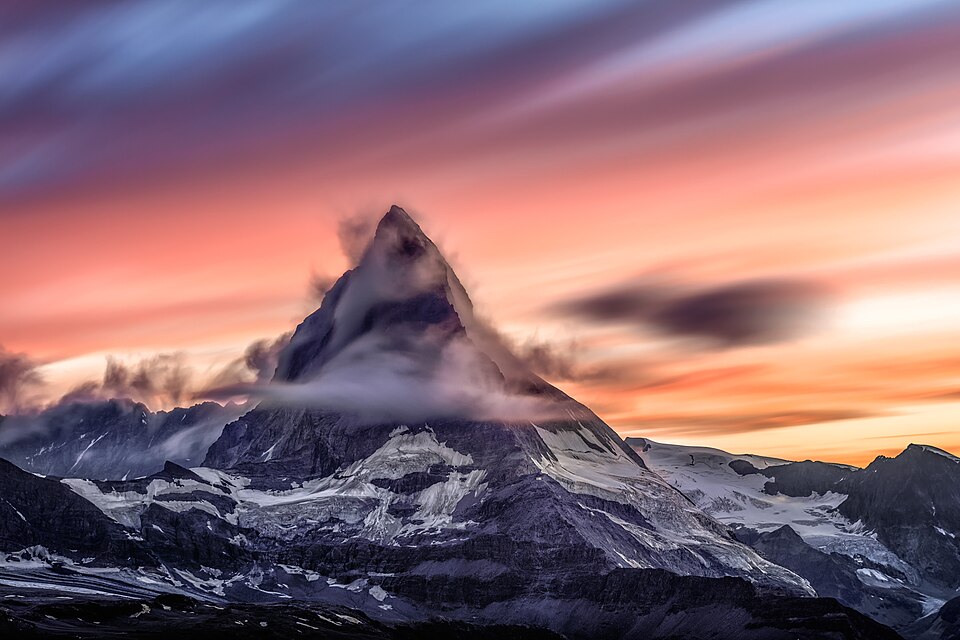
January & February: Deep Winter – Crisp, Cold, Quiet
| Item | Typical conditions |
|---|---|
| Average temperature in Zurich | -2°C to 3°C (28-37°F) |
| Rain or snow days | 8-10 days per month |
| Daylight | Short; darkness arrives at about 4:30 p.m. |
| Crowd level | ★★☆☆☆ – quiet outside the ski resorts |
| Typical round-trip airfare from the U.S. | $600-$900 |
Winter in Switzerland is cold, but the clarity after a snowfall can be extraordinary. Lowland areas are often covered by fog, while resorts above roughly 1,500 meters, such as Zermatt, Grindelwald, and St. Moritz, may sit above the cloud layer in bright sunshine.
For skiing or snowboarding, this is one of the strongest periods of the year. Zermatt’s Matterhorn Glacier Paradise offers skiing throughout the year, while January through March usually brings the most reliable overall winter conditions. For travelers comparing Switzerland ski season months, December through March is the core period, although exact opening dates and snow quality depend on altitude and weather.
You can also combine a ski stay with Zurich, Lucerne, or Bern and enjoy a quieter side of the country. The main limitation is that many summer mountain railways, panoramic routes, and hiking lifts are not operating. This is not the right period for a classic alpine hiking trip.
March: Transition Month – Late Skiing, Early Spring
| Item | Typical conditions |
|---|---|
| Average temperature in Zurich | 3-10°C (37-50°F) |
| Rain or snow days | 10-12 days per month |
| Crowd level | ★★☆☆☆ |
| Typical round-trip airfare from the U.S. | $600-$900 |
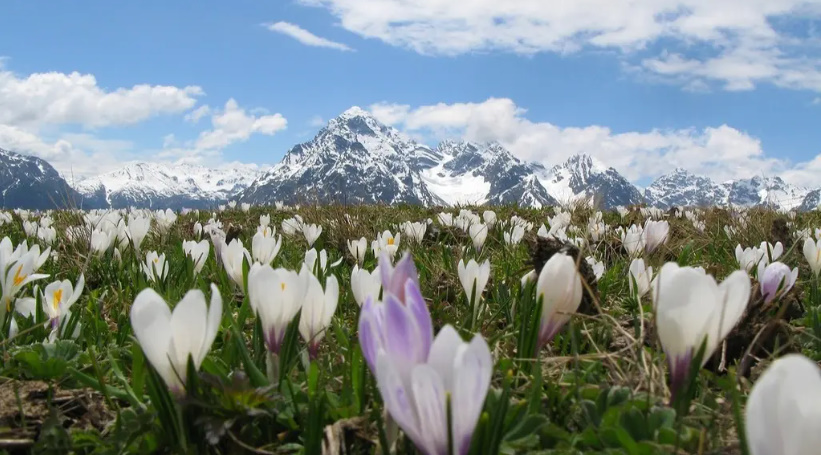
In the lowlands, snow begins to disappear and crocuses and daffodils start to appear. The mountains, however, are still in winter. March can actually be an excellent ski month because the snowpack is established and the days are longer than in January.
It is still too early for most mountain hiking. Mid-elevation trails are often wet, muddy, or partly covered in snow, while high-altitude routes remain fully wintry. Many seasonal mountain railways and lifts are also closed between their winter and summer schedules.
April: Switzerland Shoulder Season – Cheap and Empty, but Limited
| Item | Typical conditions |
|---|---|
| Average temperature in Zurich | 8-15°C (46-59°F) |
| Rainy days | 10-12 days per month |
| Crowd level | ★★☆☆☆ |
| Typical round-trip airfare from the U.S. | $700-$1,100 |
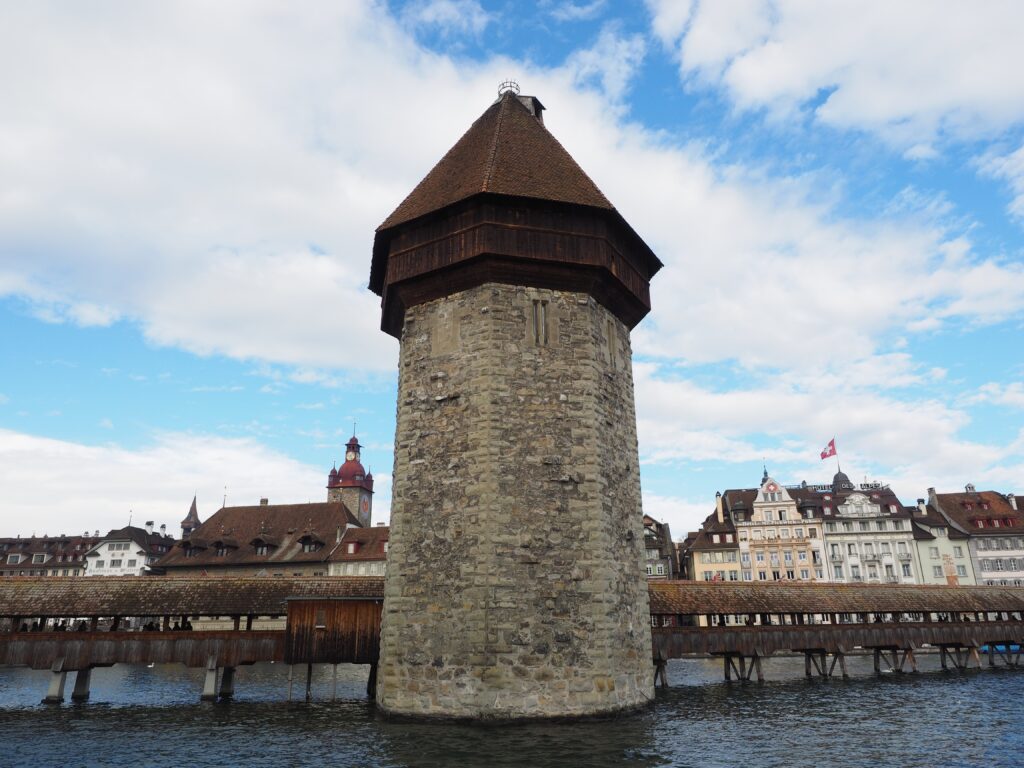
April brings two seasons at once. Zurich, Lucerne, Bern, and other lower-altitude destinations begin to feel like spring. Lakeside walks and old-town sightseeing can be very pleasant, and tulips and spring blossoms add color.
In the mountains, winter is not fully over. Snow may remain on trails, and many cable cars close for maintenance before the summer season. Easter and school half-term periods can also raise prices even though April is generally part of the Switzerland shoulder season.
In 2026, several important mountain transport systems have maintenance closures during April. If mountain sightseeing is the main purpose of your trip, check the closure table later in this article before booking.
May: The Underrated Month
| Item | Typical conditions |
|---|---|
| Average temperature in Zurich | 12-20°C (54-68°F) |
| Rainy days | 11-13 days per month |
| Crowd level | ★★★☆☆ |
| Typical round-trip airfare from the U.S. | $750-$1,200 |
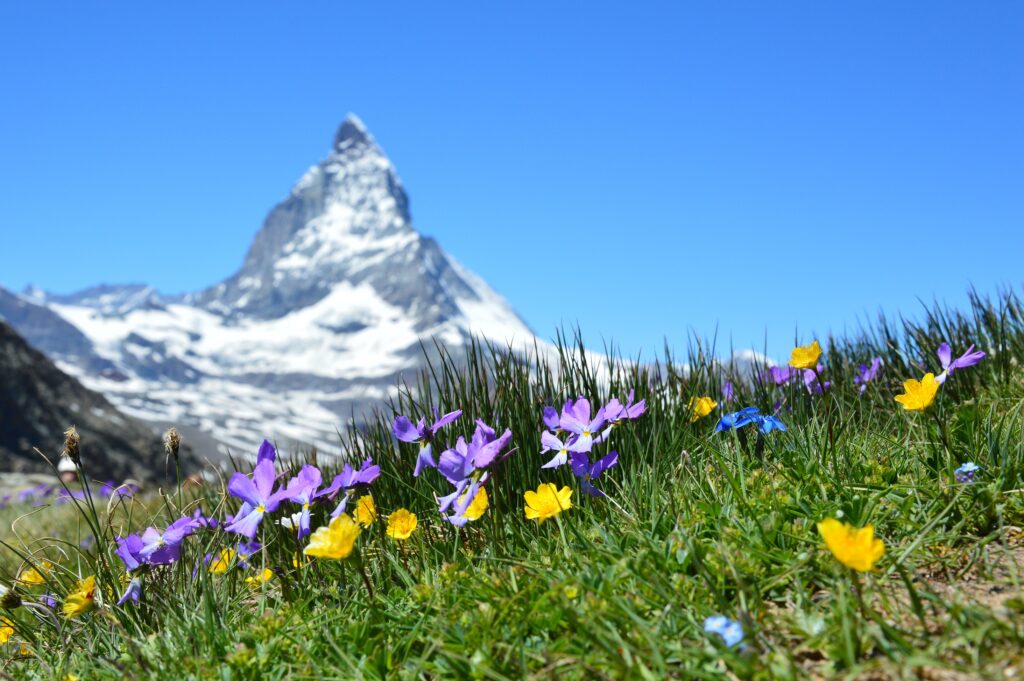
From the second half of May, the mountains begin to come back to life. Many lifts start their summer operations, lower- and mid-altitude hiking trails reopen, wildflowers appear, and the landscape turns intensely green.
High-altitude routes above about 2,500 meters may still have significant snow. Jungfraujoch and Gornergrat operate year-round, but the classic image of hiking through open alpine meadows is more reliable from June onward.
May’s main advantage is value. Hotels are often cheaper than in midsummer, and major sights are less crowded. Holiday periods can still push up flight and accommodation prices, so compare dates carefully.
Important for 2026: The Pilatus cogwheel railway is scheduled to begin operating on May 11. Before then, access is limited to the cable-car side when available. The Männlichen gondola is closed through May 22.
June: Long Days, but the Most Rain
| Item | Typical conditions |
|---|---|
| Average temperature in Zurich | 15-24°C (59-75°F) |
| Rainy days | About 14 days, the highest monthly total |
| Crowd level | ★★★★☆ – increasing in the second half |
| Typical round-trip airfare from the U.S. | $900-$1,400 |
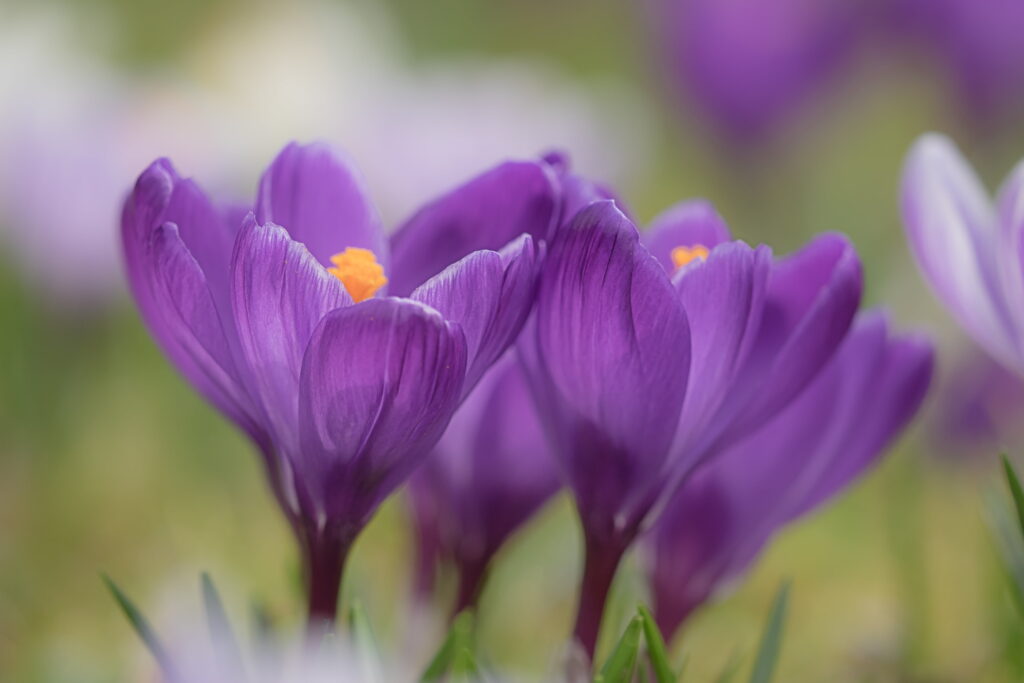
June surprises many visitors. Zurich averages about 116 mm of precipitation and roughly 14 rainy days, making it the wettest month by total rainfall. For travelers concerned about Switzerland in June rain, the typical pattern is less gloomy than the monthly statistics suggest: showers often arrive as strong afternoon thunderstorms rather than continuing steadily throughout the day.
For mountain excursions, start early. A clear morning can still provide excellent views even when thunderstorms are forecast later. Around the summer solstice, daylight lasts beyond 9:00 p.m., so you can use the day fully and keep indoor or lakeside activities for the afternoon if the weather changes.
Alpine flowers are usually at their best from mid-June to mid-July. When the weather cooperates, this can be one of the most beautiful times of the year.
Important for 2026: The Lauterbrunnen-Mürren BLM route is closed until July 10. During this period, travelers heading to Mürren or Schilthorn should use the cable-car route from Stechelberg, which operates year-round. In the Switzerland Cable Car Closures 2026 schedule below, this is one of the most significant disruptions to build into an itinerary.
July & August: Peak Season – Best Weather, Highest Prices
| Item | Typical conditions |
|---|---|
| Average temperature in Zurich | 17-25°C (63-77°F) |
| Rainy days | 9-11 days per month |
| Crowd level | ★★★★★ |
| Typical round-trip airfare from the U.S. | $1,100-$1,800 |
This is the period most guidebooks call the best season. The reason is easy to understand: nearly all cable cars and hiking trails are open, the days are long, and the probability of favorable mountain conditions is relatively high.
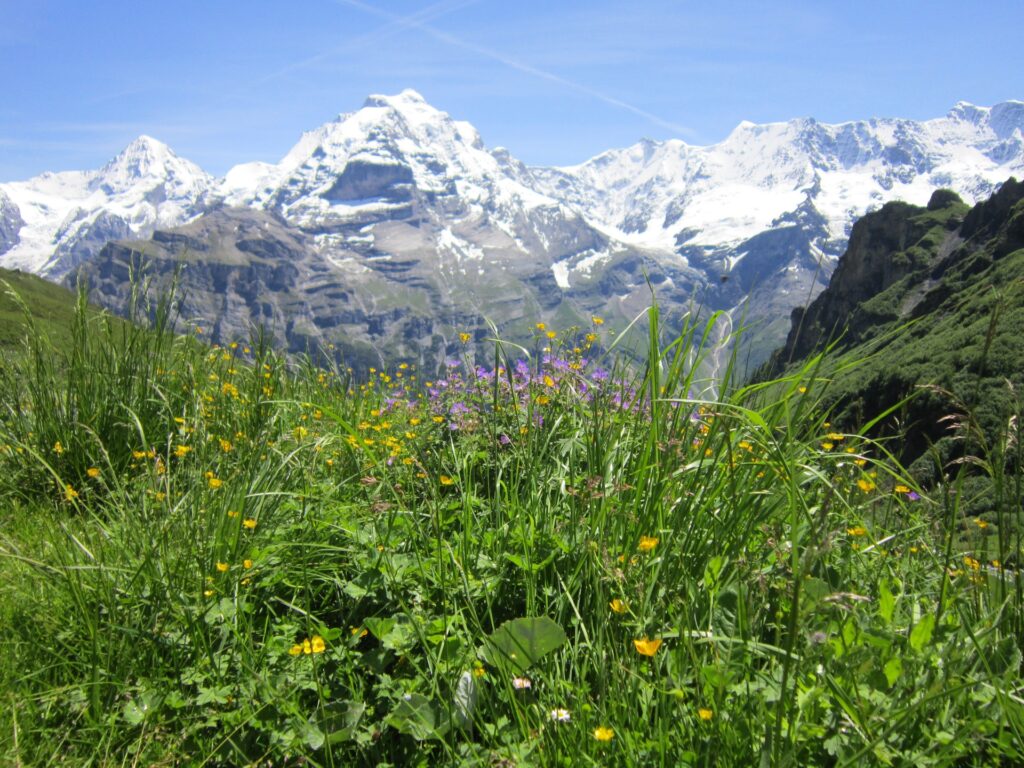
Why visit in July: Alpine flowers are at their peak. Edelweiss, gentians, and other mountain plants brighten the meadows, and glacier colors often look especially vivid.
Why visit in August: Temperatures are generally at their warmest, and high-altitude hiking routes are more likely to be free of snow.
The disadvantage is cost and congestion. Hotels in Zermatt and Grindelwald may charge 30-50% more than in quieter periods. Jungfraujoch and Gornergrat can be crowded, popular morning departures may sell out, and restaurants increasingly require reservations.
Turi’s practical advice is simple: start early, use the first mountain trains between 7:00 and 8:00 a.m., visit famous viewpoints on weekdays where possible, and consider staying in a central base such as Interlaken rather than changing hotels repeatedly.
Switzerland in September: Is It the Secret Best Month?
| Item | Typical conditions |
|---|---|
| Average temperature in Zurich | 13-20°C (55-68°F) |
| Rainy days | 8-10 days per month |
| Crowd level | ★★★☆☆ |
| Typical round-trip airfare from the U.S. | $800-$1,300 |
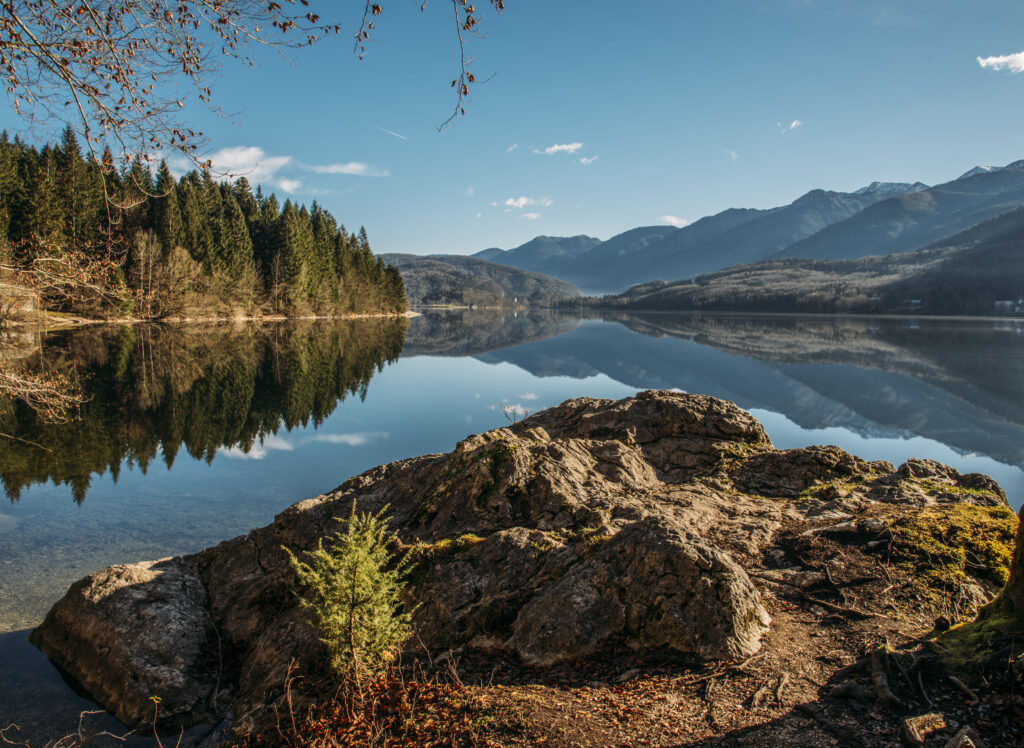
Switzerland in September is one of Turi’s favorite recommendations. The main summer crowds begin to leave, hotel availability improves, and the cooler temperatures are comfortable for walking. Most importantly, the air often becomes clearer, creating sharp mountain views and better long-distance visibility.
From mid-September, fall colors begin at higher elevations. The Engadin is one of the best regions for Switzerland autumn foliage, with golden larch trees across the landscape, while the Sunnegga-Rothorn area above Zermatt offers another striking display against snow-covered peaks.
Visiting Switzerland in September still requires layers. By the second half of the month, sunset is around 7:00 p.m., and the first snow can fall at high elevations. Bring a warm fleece and a light down jacket even if the forecast looks mild.
Switzerland in October: Fall Colors and Fading Crowds
| Item | Typical conditions |
|---|---|
| Average temperature in Zurich | 8-14°C (46-57°F) |
| Rainy days | 8-10 days per month |
| Crowd level | ★★☆☆☆ |
| Typical round-trip airfare from the U.S. | $700-$1,100 |
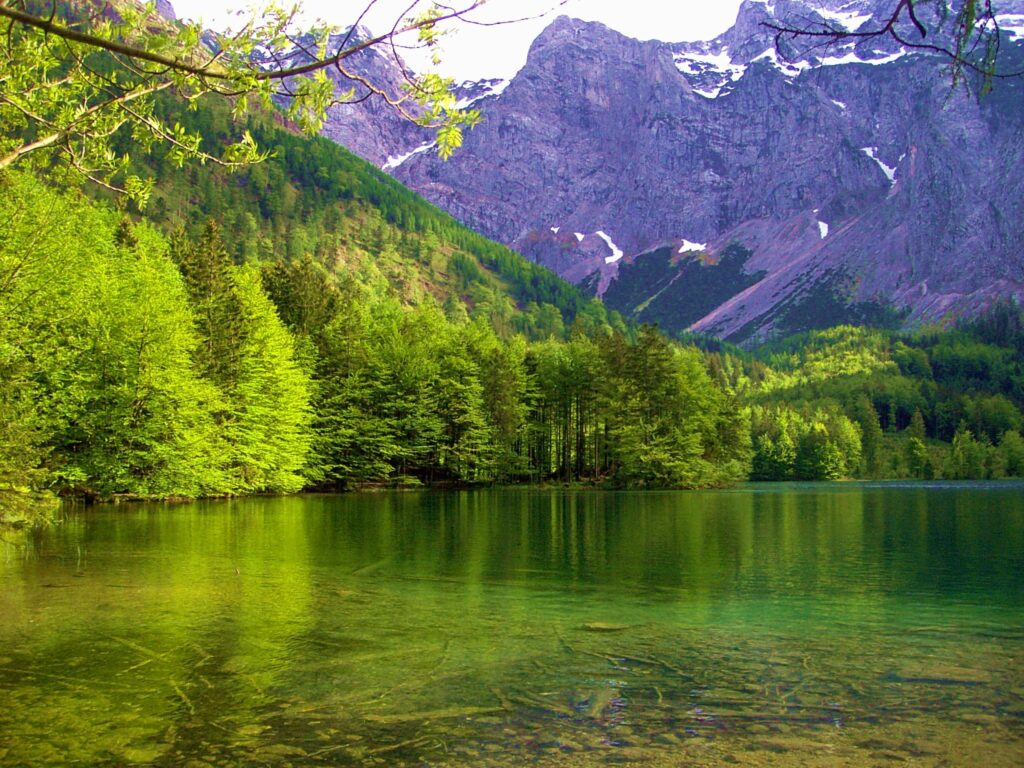
Early October can be an excellent window for autumn scenery. Many lifts are still operating, and the contrast between golden forests and newly snow-covered peaks can be spectacular. Wine-growing regions also celebrate the grape harvest, making this a rewarding period for food, wine, and lakeside towns.
From late October, cable cars and mountain railways begin closing one after another for maintenance or the seasonal break. Weather becomes less predictable, early snow can reach lower elevations, and hiking is generally limited to routes below roughly 1,500 meters.
Important for 2026: The Männlichen gondola, First gondola, and the Grindelwald-Kleine Scheidegg WAB section are scheduled to close from October 26 (the WAB section reopens on November 6). Travelers visiting the Jungfrau Region in late October should use the Eiger Express, which operates through November 8 before its own maintenance break (November 9-20).
November & Early December: The Quiet Gap
| Item | Typical conditions |
|---|---|
| Average temperature in Zurich | -1°C to 7°C (30-45°F) across November and December |
| Rain or snow days | 9-11 days per month |
| Crowd level | ★☆☆☆☆ |
| Typical round-trip airfare from the U.S. | November: $600-$900; early December: $650-$1,000 |
November is the true low season. Many mountain lifts are closed, high-level sightseeing choices are limited, and lowland weather is often gray or foggy.
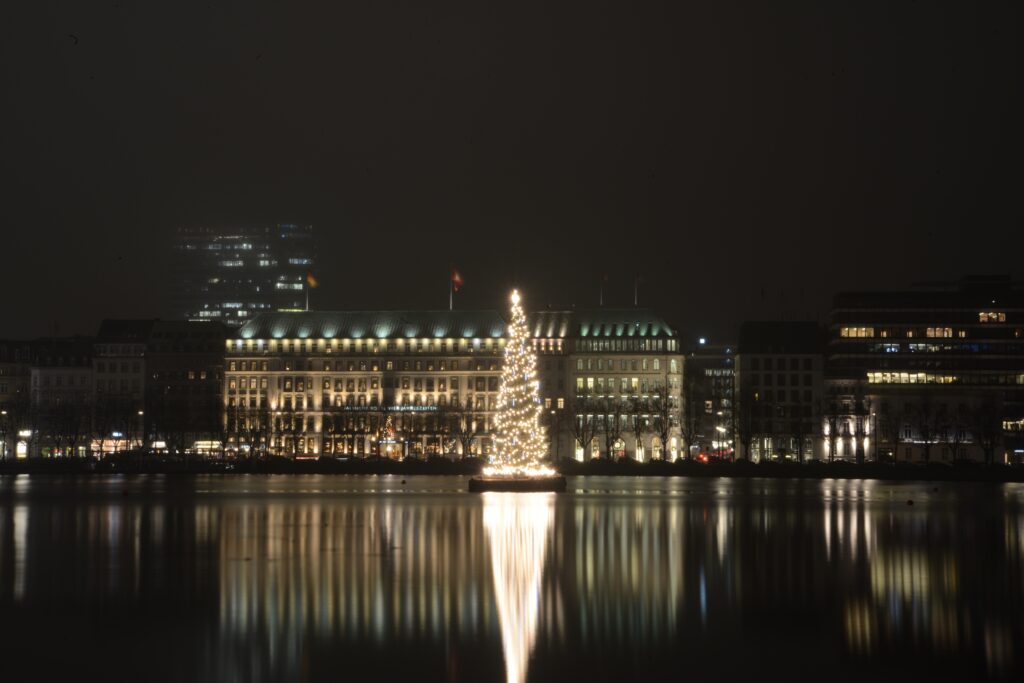
The mood changes from late November as Christmas markets begin. Zurich, Bern, and Basel have some of the country’s largest markets, with mulled wine, raclette, seasonal lights, and indoor cultural attractions. For city sightseeing and Christmas atmosphere, early December can be better than many travelers expect.
Important for 2026: The Glacier Express is closed from October 11 to December 4. The Gornergrat Railway is closed from November 2 to November 14, and the Eiger Express is closed from November 9 to November 20.
Late December: Christmas Magic and Christmas Prices
| Item | Typical conditions |
|---|---|
| Average temperature in Zurich | -1°C to 3°C (30-37°F) |
| Crowd level | ★★★★☆ during Christmas and New Year |
| Typical round-trip airfare from the U.S. | $1,000-$1,600 |
From Christmas through New Year, the ski resorts become busy. Zermatt and St. Moritz attract visitors from around the world, and hotel prices can reach their annual peak.
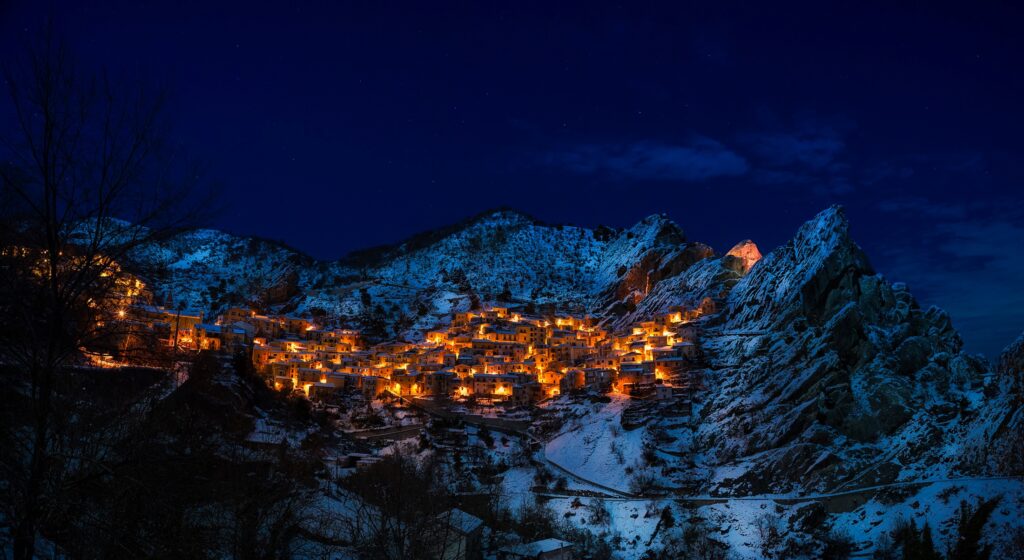
The appeal, however, is real: illuminated old towns, snow-covered villages, mountain restaurants with fireplaces, and festive dinners create an atmosphere that no summer trip can reproduce. Book accommodation, trains, restaurants, and ski services well in advance.
Switzerland Cable Car Closures 2026: Mountain Railways and Scenic Trains
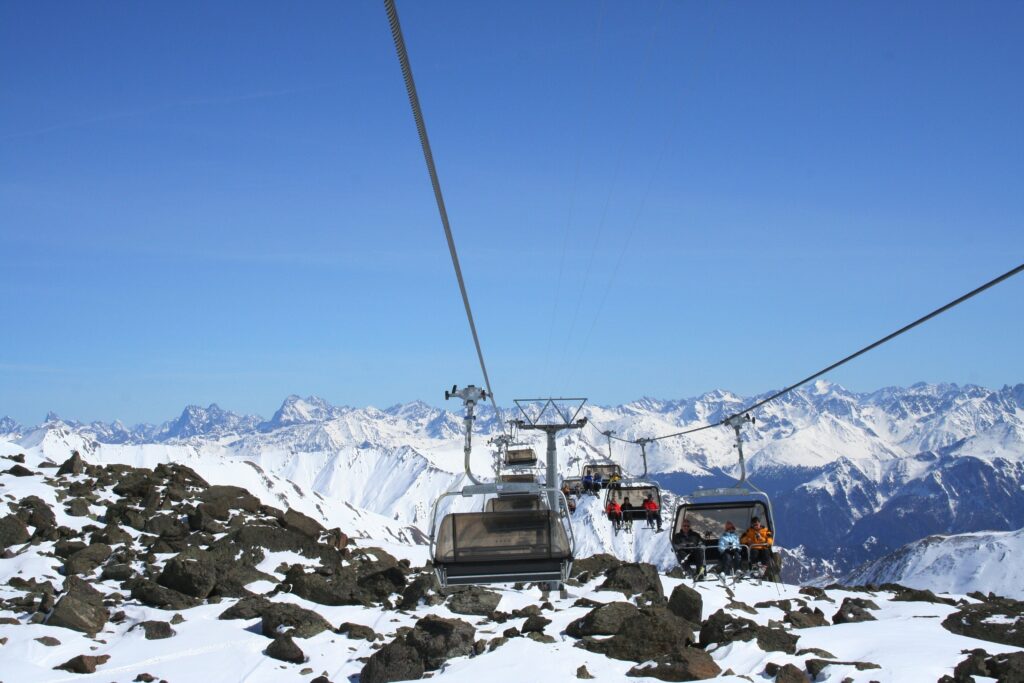
One of the most disappointing travel experiences is arriving at a mountain only to discover that the cable car is not running. Use this Switzerland Cable Car Closures 2026 schedule to review the principal maintenance and seasonal closures included in this guide. Always confirm the final timetable with the operator before travel because construction progress and weather can change operating dates.
Jungfrau Region
| Route | Closure or operating status in 2026 | Alternative or note |
|---|---|---|
| Lauterbrunnen-Mürren BLM | April 13-July 10; October 26-November 6 | Use the year-round cable-car route from Stechelberg |
| Männlichen gondola | April 7-May 22; October 26-December 11 | Use the Eiger Express from Grindelwald Terminal where appropriate |
| Grindelwald-Kleine Scheidegg WAB | April 27-May 8; October 26-November 6 | Travel via the Eiger Express |
| Eiger Express | November 9-November 20 | Use the WAB route via Wengen where appropriate |
| First gondola | October 26-November 27 | No direct substitute for First |
| Mürren-Allmendhubel funicular | April 7-May 22; October 19-December 11 | No direct substitute |
| Jungfrau Railway | Runs year-round | Seat reservations are required from May to October; CHF 10 |
Zermatt Region
| Route | Closure in 2026 | Alternative or note |
|---|---|---|
| Gornergrat Railway | November 2-November 14 | Consider the Matterhorn Glacier Paradise area |
| Sunnegga-Rothorn | April 28-June 19; October 19-November 27 | Access as far as Sunnegga may remain possible during part of the closure |
Lucerne and Central Switzerland
| Route | Operating period in 2026 | Note |
|---|---|---|
| Pilatus cogwheel railway | May 11-November 29 | The cable-car side is also suspended for maintenance on March 30-31, then operates until its autumn closure |
| Brienz Rothorn steam railway | June 6-October 25 | Seasonal operation only |
St. Moritz Region
| Route | Status in 2026 | Note |
|---|---|---|
| St. Moritz-Corviglia funicular | Closed for major construction during summer 2026 | Use alternatives such as Signalbahn where suitable |
| Corvatsch cable car | Summer operation June 20-October 16 | Check weather-related updates before travel |
| Muottas Muragl funicular | Summer operation June 6-October 25 | Seasonal operation only |
Scenic Trains
| Train | Closure or operating period in 2026 | Note |
|---|---|---|
| Glacier Express | Closed October 11-December 4 | Excellence Class also closed March 9-March 27 |
| Bernina Express | Runs year-round | Seasonal timetable variations may apply |
| Gotthard Panorama Express | Runs April 18-October 18 only | Combines a lake cruise and train journey |
| Chocolate Train | Runs on selected days from May 1-September 29 | May-June: Tue, Thu, Fri, Sun; July-August: Tue, Thu, Fri, Sat, Sun; September: Tue, Thu, Sun |
| GoldenPass Express | Runs year-round | Timetables may vary by season |
Bad Weather? What to Do in Switzerland When It Rains
Mountain weather in Switzerland is difficult to predict. A morning can begin with clear blue skies and turn cloudy or stormy by afternoon. Here are practical options for what to do in Switzerland when it rains or when the mountain webcams show poor visibility.
Rainy-Day Ideas by Area
Lucerne: The Swiss Museum of Transport, or Verkehrshaus, can easily fill most of a day for both adults and children. It covers trains, cars, aviation, and space, and also includes a planetarium and IMAX cinema. The Rosengart Collection is an excellent choice for seeing works by Picasso, Klee, and other modern artists in a calm setting.
Zurich: Lindt Home of Chocolate is an interactive museum where visitors can learn about chocolate production and enjoy tastings. Kunsthaus Zürich has major works ranging from Impressionism to modern art, including Monet, Van Gogh, and Chagall. Admission may be included with certain Swiss Travel Pass arrangements, so check the current terms.
Bern: Much of the Old Town is protected by long covered arcades, making it comfortable to explore in wet weather. The Bern Historical Museum and Zentrum Paul Klee are also worthwhile indoor options.
Gruyères, Canton of Fribourg: At La Maison du Gruyère, you can observe the cheese-making process and taste the finished product. Combine it with Maison Cailler, the nearby chocolate attraction, for an easy half-day trip.
Interlaken and the Lauterbrunnen area: The St. Beatus Caves are a reliable all-weather attraction, with an interior temperature of about 10°C. Trümmelbach Falls runs through the interior of the mountain, so it can still be visited in rain and may be even more powerful after heavy precipitation.
How Turi Makes the Weather Decision

Switzerland stretches far enough from east to west, and its mountain ranges divide weather systems so strongly, that conditions can differ completely between regions. The Bernese Oberland may be cloudy while Central Switzerland around Lucerne and Mount Pilatus is sunny.
MeteoSwiss, the national weather service, offers a free app with regional and altitude-specific forecasts. Mountain webcams are equally important. Check both at around 6:00-7:00 a.m. and be willing to change direction toward the clearer region.
The Value of Same-Day Flexibility on a Private Tour
Our Private Tour Switzerland service is built around this kind of same-day flexibility. Turi assesses the weather in the morning and may suggest changing from the Jungfrau Region to Lucerne and Mount Pilatus, or the reverse, without an additional route-change fee. Compared with a fixed rail itinerary, the ability to change destinations on the same morning can make the difference between seeing a mountain and seeing only cloud.
Switzerland Travel Costs by Season: Flights and Hotels
Traveling in a cheaper month can make a meaningful difference. The table below compares typical round-trip airfare from the United States with estimated three-star hotel costs per person, per night, based on two people sharing a room.
Hotel rates are shown in Swiss francs with approximate U.S. dollar equivalents. Actual prices vary widely by destination, booking date, room type, and major events.
| Period | Typical round-trip airfare from the U.S. | Three-star hotel per person, per night | Overall cost |
|---|---|---|---|
| January-March | $600-$900 | CHF 75-100 (about $83-$111) | Low |
| April | $700-$1,100 | CHF 90-125 (about $100-$139) | Moderately low |
| May | $750-$1,200 | CHF 100-140 (about $111-$155) | Moderately low |
| June | $900-$1,400 | CHF 125-175 (about $139-$194) | Moderately high |
| July-August | $1,100-$1,800 | CHF 150-250 (about $167-$278) | Highest |
| September | $800-$1,300 | CHF 125-175 (about $139-$194) | Moderately high |
| October | $700-$1,100 | CHF 100-140 (about $111-$155) | Moderately low |
| November | $600-$900 | CHF 75-110 (about $83-$122) | Low |
| Early December | $650-$1,000 | CHF 75-125 (about $83-$139) | Low |
| Late December-early January | $1,000-$1,600 | CHF 150-250 (about $167-$278) | High |
What Is the Best-Value Period?
For the best balance of weather, price, and crowd levels, Turi usually recommends September through early October. Flights can be several hundred dollars cheaper than in July or August, hotel prices are often below peak-season levels, and most major mountain transport is still running.
Early June is another possibility. Rainfall is higher, but many wet-weather periods occur later in the day. Starting early often gives you a useful mountain window. Flights and hotels are normally below their July-August peak, although the 2026 BLM closure through July 10 affects travel between Lauterbrunnen and Mürren.
The absolute cheapest time to visit Switzerland is often January, February, or November when airfare and hotel demand are low. However, the cheapest calendar month is not automatically the best value if the attractions you want are closed. May and early October often offer a better compromise between price and access.
Related article: How Much Does a Trip to Switzerland Really Cost? A Local Guide to Prices and Money-Saving Tips
Still Unsure About Your Dates?
The right month depends on your route, budget, interests, and tolerance for uncertain weather. You can contact us even before your dates are fixed, and Turi can explain what is realistically open, what conditions to expect, and which route makes sense for your travel window.
Contact us for an initial consultation.
Best Month for Your Travel Style
Choosing when to visit Switzerland becomes much easier once you identify the main purpose of your trip.
Hiking and Mountain Sightseeing
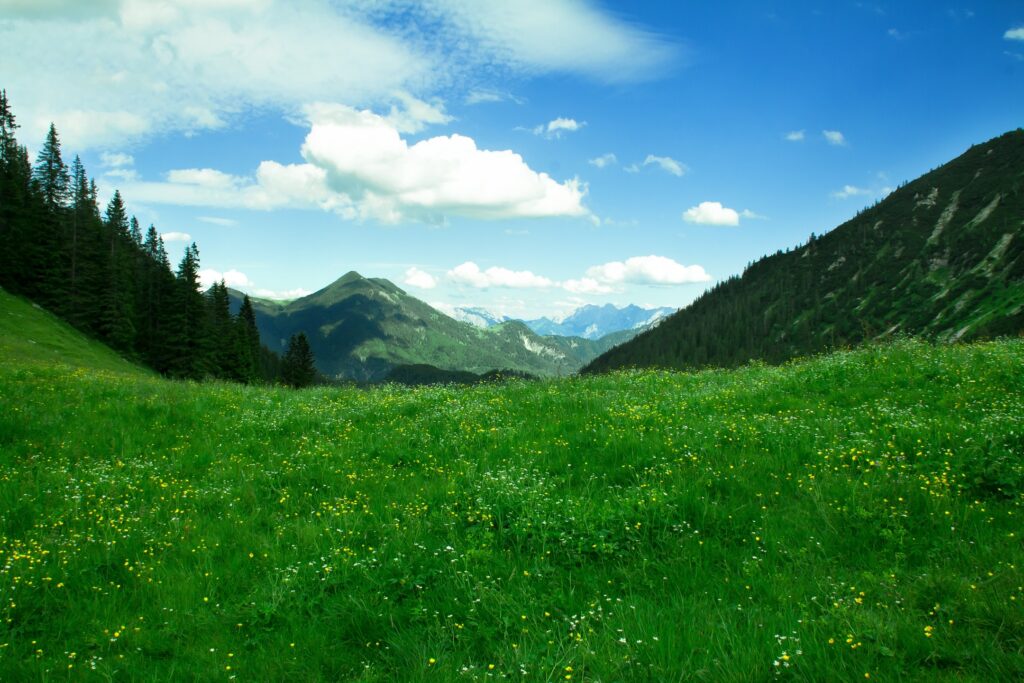
Recommended: Late June to mid-September
The best time to hike in Switzerland is usually late June through mid-September, when most cable cars and trails are open and snow has cleared from many standard routes. For alpine flowers, aim for mid-June to mid-July. For fall-color hiking, consider mid-September to early October.
Routes above 2,500 meters may retain snow even in July. Check official local trail reports shortly before setting out. The Jungfrau Railway requires a CHF 10 seat reservation from May through October.
Skiing and Winter Sports
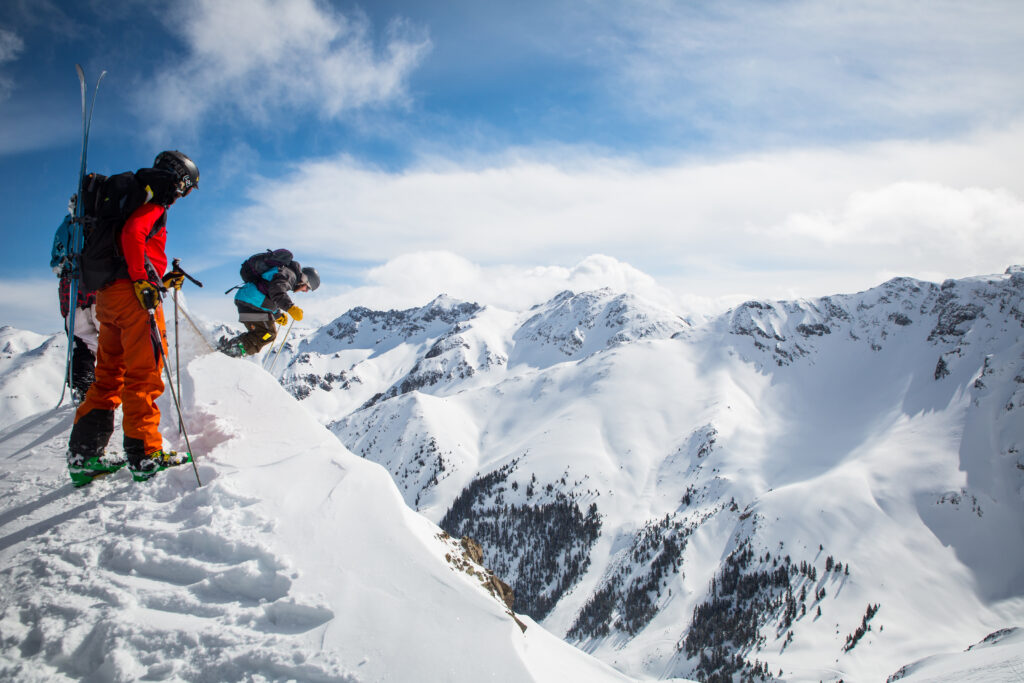
Recommended: December to March
Zermatt offers year-round skiing at Matterhorn Glacier Paradise, but January through March generally brings the strongest combination of snow depth and winter atmosphere. St. Moritz, Verbier, Davos, and other major resorts provide extensive terrain for different skill levels.
Lower-Cost Travel
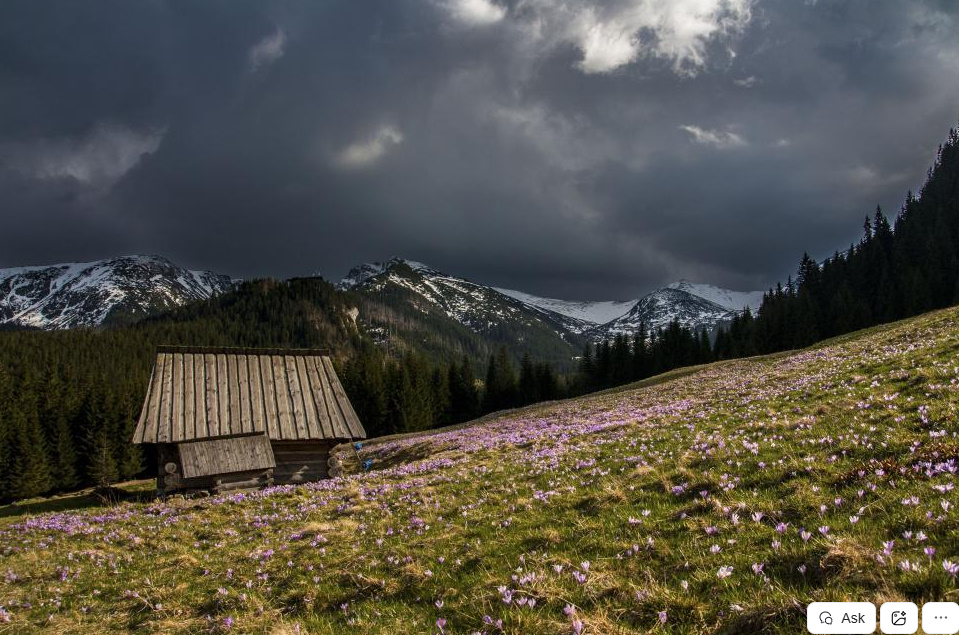
Recommended: May and late September to early October
Flights and hotels are usually substantially cheaper than in peak summer, while many mountain services are still available. In early May, check carefully because several lifts may still be closed for maintenance or waiting for the summer season.
Family Travel with Children
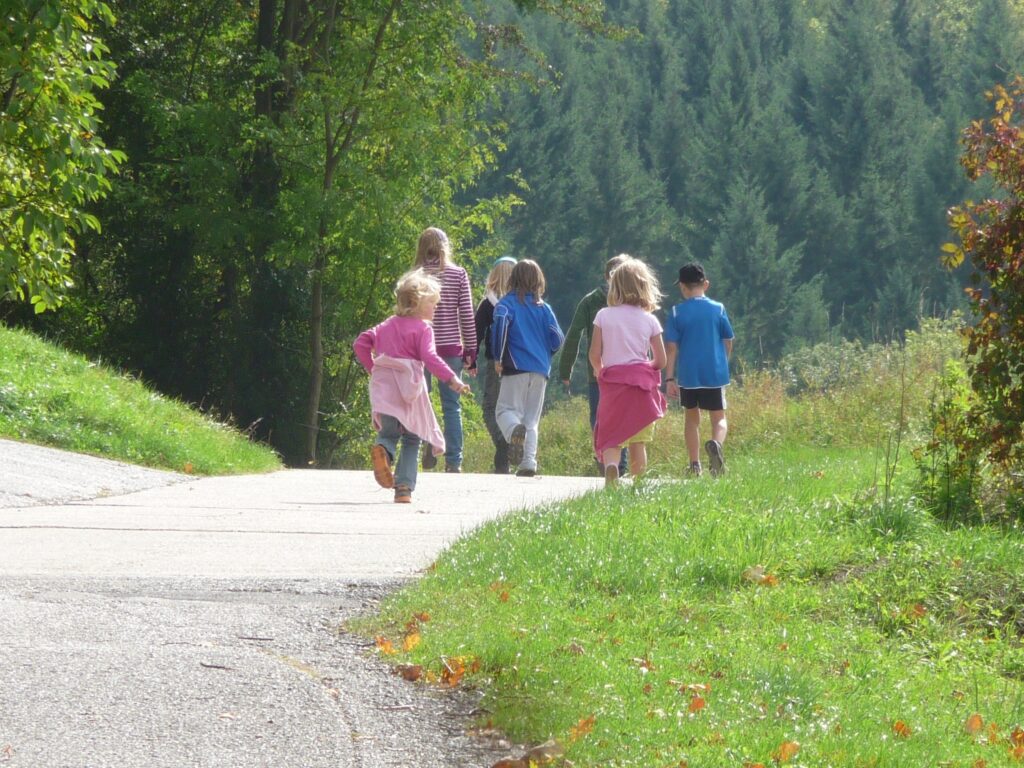
Recommended: Mid-July through August
Temperatures are generally mild, and lower- to mid-altitude trails are fully open. Family attractions include the First Cliff Walk, First Flyer zip line, mountain playgrounds, lake cruises, and Trümmelbach Falls. Long daylight hours make it easier to build a relaxed schedule with breaks.
The trade-off is higher cost and heavier crowds, so reserve accommodation and major activities early.
Couples and Honeymoons
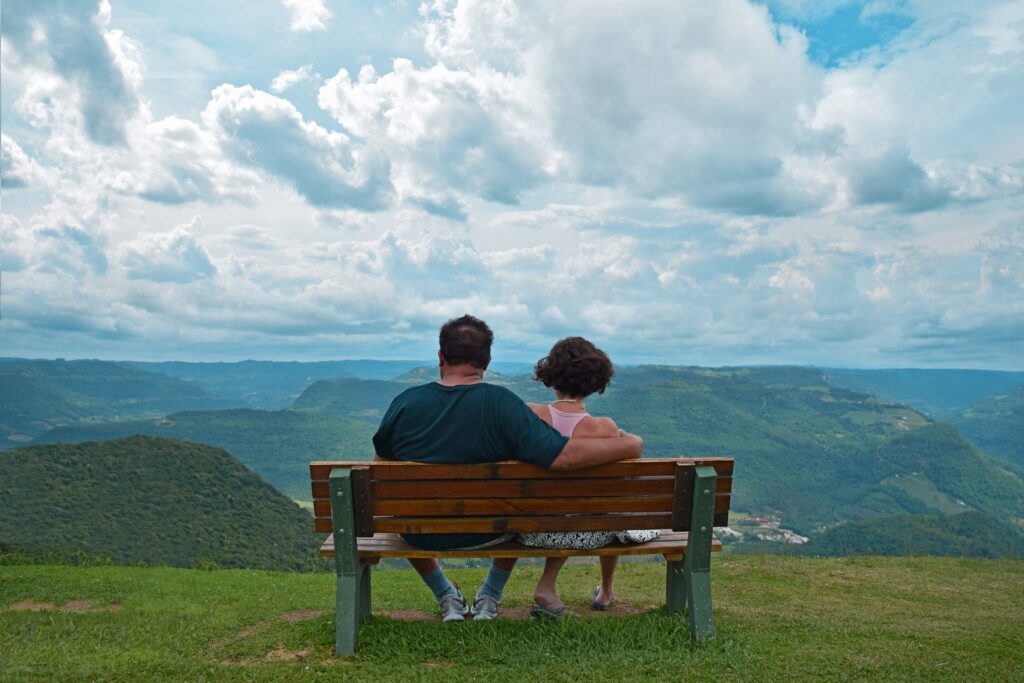
Recommended: June or September
These months often feel calmer than July and August while still offering long days and attractive scenery. Watching sunset on the Matterhorn in Zermatt, having dinner on a terrace facing the Eiger, or spending a quiet evening beside Lake Lucerne can be especially memorable.
Once you have chosen your dates, our Switzerland honeymoon guide explains how to keep the classic route and add one day in Ticino or Lake Como.
FAQ
What is the best time to visit Switzerland?
For hiking and mountain sightseeing, late June to mid-September is the most reliable period. For lower costs, consider May or October. For skiing, visit from December through March. September to early October often offers the best overall balance of weather, price, and crowds.
What is the best time to hike in Switzerland?
The best time to hike in Switzerland is generally late June through mid-September. Most standard routes are open, cable cars are operating, and the chance of snow blocking lower and mid-altitude trails is reduced. High routes may still have snow, so always check local trail conditions.
Is June very rainy in Switzerland?
June has the highest average monthly precipitation in Zurich at about 116 mm, with roughly 14 rainy days. However, rain often comes as an afternoon thunderstorm rather than continuous all-day rain. Early starts can still provide good mountain sightseeing conditions.
Is July or August better?
Choose early July for peak alpine flowers. Choose August for the warmest average temperatures and a better chance that high-altitude trails are free of snow. Crowd levels are similar, although visitor numbers may begin to ease toward the end of August.
How can I check whether a cable car is closed?
Use the official operator websites and apps. For the Jungfrau Region, consult Jungfrau Railways; for Zermatt, check Matterhorn Paradise and Gornergrat Railway; for Mount Pilatus, use the Pilatus website. The SBB app also displays many service disruptions, but mountain operator notices provide the most detailed maintenance information.
What is the cheapest month to travel to Switzerland?
January, February, and November often have the lowest combined airfare and hotel demand. Mountain sightseeing is more limited, however. May and early October usually offer a stronger balance between cost and the number of attractions operating.
Is Switzerland worth visiting outside summer?
Yes. Spring cities, autumn colors, Christmas markets, winter sports, museums, food, and scenic train journeys can all justify an off-season trip. The key is matching the route to what is actually open.
Ready to Pick Your Dates?
There is no single best time to visit Switzerland for every traveler. The ideal month changes according to what you want to see, how many days you have, how much you want to spend, and whether you prefer energy or quiet.
Use the weather, crowd, cost, and transport information in this guide to identify your own best period. Deciding when to visit Switzerland is not just a climate question; it is also a route-planning question.
To see what a day with Turi looks like, what is included and the 750 CHF daily rate, visit our private tours in Switzerland page.
If you are still uncertain, contact us. After learning your dates and priorities, Turi can recommend a practical route, point out closures, and suggest alternatives based on current local conditions.
Free initial consultation: Contact us through the contact page.
Prices in this article are estimates as of July 2026. U.S. dollar conversions use approximately CHF 1 = USD 1.11, based on the June 2026 exchange rate. Operating schedules may change, so confirm current information with each official transport operator before traveling.
Pingback: 5 Reasons People Say Switzerland Travel Is Boring — and How to Avoid All of Them - Swiss Private Journey
Pingback: The Ultimate Switzerland Itinerary: 7 Days and 4 Days Planned by a Local Guide (2026)